Sponsors have had no input into the content of the agenda or the choice/briefing of any speakers (other than clearly marked sponsored symposia sessions).
In return for their sponsorship, sponsors have received exhibition space, sponsored symposia and other marketing opportunities. The full list of sponsors can be found here.
Programme
All sessions are available to watch on demand until 4 September 2026.
Tuberculosis in 2026: the re-emergence of a forgotten disease
This session will explore the resurgence of tuberculosis within modern healthcare. It will examine how it presents to acute and general medicine services, highlight current best practice in prevention, including screening and vaccination strategies, and showcase the role of multidisciplinary tuberculosis teams. Developed in collaboration with the British Thoracic Society. 1 CPD
Chair: Dr Felicity Perrin
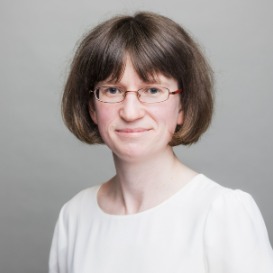
Dr Felicity Perrin
Consultant respiratory physician, King's College Hospital NHS Foundation Trust
Dr Felicity Perrin is a consultant respiratory physician at King’s College Hospital, London, and lead for the TB/NTM services at King’s and at Guy’s and St Thomas’ Hospitals. She is also a clinician in the Adult Cystic Fibrosis Unit at King’s College Hospital. Felicity trained largely in London, worked for 9 months in Malawi and did a research degree in TB. She is the current chair of the British Thoracic Society TB and NTM Specialist Advisory Group.
Dr Felicity PerrinConsultant respiratory physician, King's College Hospital NHS Foundation Trust
Speaker(s): Dr Martin Dedicoat FRCP, Dr Pranab Haldar FRCP, Ms Sarah Murphy
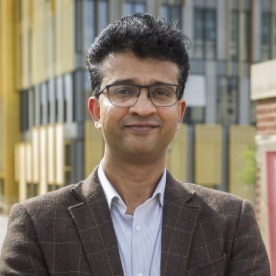
Dr Martin Dedicoat FRCP
Infectious diseases consultant, University Hospitals Birmingham NHS Foundation Trust
Dr Martin Dedicoat is a consultant infectious diseases physician in Birmingham, having completed his training in Birmingham and South Africa. He is the clinical lead for the Birmingham and Solihull Tuberculosis service and works half time in the UKHSA National TB Unit. Martin is current chair of the British Thoracic Society MDRTB clinical advice service, helping to organise monthly MDT's for people with complex tuberculosis infection across the UK.
Dr Martin Dedicoat FRCPInfectious diseases consultant, University Hospitals Birmingham NHS Foundation Trust
Tuberculosis presenting to acute and general medical services
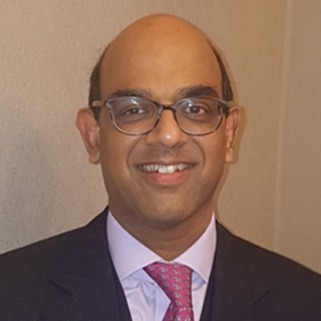
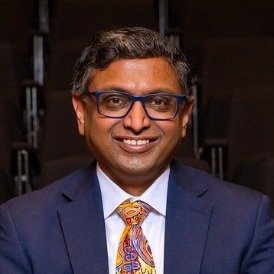
Dr Pranab Haldar FRCP
Clinical senior lecturer and honorary consultant respiratory physician, University Hospitals of Leicester NHS Trust
Dr Pranabashis Haldar is a consultant physician and senior lecturer in respiratory medicine in Leicester, UK. He is a member of the British Thoracic Society (BTS) MDR-TB Steering Group and clinical advisory service, and the BTS TB and NTM Advisory Group. In Leicester, he leads one of the largest rapid access tuberculosis (TB) services in England, providing a centralised pathway for accelerated investigation and diagnosis of patients with suspected TB. Pranabashis is academic lead for clinical TB research at the Leicester NIHR Biomedical Research Centre. His academic work focuses primarily on the heterogeneity of latent TB infection and determinants of progression to TB. This work has included the development of novel blood transcriptional signatures for TB diagnosis and monitoring treatment response, ongoing development of a bacteriophage-based TB diagnostic and phenotypic stratification of latent TB infection using PET-CT. In this talk, Pranabashis will review the importance of latent TB infection screening for TB control.
Dr Pranab Haldar FRCPClinical senior lecturer and honorary consultant respiratory physician, University Hospitals of Leicester NHS Trust
Prevention: screening and vaccination for tuberculosis
Ms Sarah Murphy
Lead tuberculosis nurse, UK Health Security Agency
Sarah Murphy is the lead tuberculosis (TB) Nurse in the UKHSA TB Unit, bringing two decades of clinical, public health and strategic experience to TB care, prevention and control in England. She has worked in both high and low incidence TB areas and cared for children and adults across the full spectrum of TB, including multidrug resistant disease, complex social needs and large scale contact screening investigations.
Sarah is passionate about delivering high-quality, person-centred care for individuals, families and communities affected by TB. She champions multidisciplinary approaches to tackling TB from clinical, public health and health inequalities perspectives, emphasising the central role of TB nurses in coordinating the MDT and advocating for patients.
Ms Sarah MurphyLead tuberculosis nurse, UK Health Security Agency
Hospital to community: the role of the multidisciplinary tuberculosis team
GUM: changing focus on HIV prevention, treatment, and outreach
This session will showcase how digital pathways, innovative treatment models and new technologies are transforming sexual health services, highlighting opportunities to expand access and improve patient engagement. Developed in collaboration with the British Association for Sexual Health and HIV. 1 CPD
Chair: Nathan Burley
Nathan Burley
Conference and communications chair, British Association of Sexual Health and HIV
Nathan Burley is conference and communications chair for the British Association of Sexual Health and HIV. He is a pharmacist in public health protection and sexual health services in Glasgow, a visiting lecturer at the University of Strathclyde and fellow of the Royal Pharmaceutical Society.
Nathan BurleyConference and communications chair, British Association of Sexual Health and HIV
Speaker(s): Dr Alex Langrish, Dr Claire Pritchard, Dr Alex Maxwell
Dr Alex Langrish
Specialty registrar in genitourinary medicine and internal medicine, Leeds Teaching Hospitals NHS Trust
Dr Alex Langrish is a specialty registrar in genitourinary medicine and internal medicine training in Yorkshire. As an undergraduate, he developed a teaching toolkit for pre-exposure prophylaxis for healthcare workers and third-sector workers in Brighton, as well as assisting with a project to develop and deliver a package of sexual risk reduction interventions for patients attending sexual health services. Nathan was awarded the Oral Undergraduate Prize at the 2017 joint BASHH-SSSTDI conference and has been a member of the HIV Trainee Association Committee since 2021. He is delivering an oral abstract at the BASHH-BHIVA joint conference in April 2026 based on the experience of delivering doxycycline post-exposure prophylaxis at Leeds Sexual Health.
Dr Alex LangrishSpecialty registrar in genitourinary medicine and internal medicine, Leeds Teaching Hospitals NHS Trust
Doxycycline post exposure prophylaxis, its clinical usage, and integrated digital pathways with HIV pre-exposure prophylaxis
Dr Claire Pritchard
Consultant genitourinary medicine, Manchester University NHS Foundation Trust
Dr Claire Pritchard is a GUM consultant working in Manchester who is passionate about providing high-quality and innovative care to people living with HIV and sexual health conditions. Claire recently presented a case series at the BASHH/BHIVA conference on the use of long-acting injectable cabotegravir and lenacapvir in people with limited anti-retroviral options.
Dr Claire PritchardConsultant genitourinary medicine, Manchester University NHS Foundation Trust
Injectables for HIV treatment (and prevention), clinical experience and leveraging a shift in medicines innovation
Dr Alex Maxwell
Consultant in genito-urinary medicine and HIV, NHS Greater Glasgow and Clyde
Dr Alex Maxwell is a genito urinary medicine and HIV consultant at the Sandyford Initiative in Glasgow. She is the consultant lead for the Adult Inclusion team that delivers sexual health care, including community outreach, to marginalised and underserved populations.
Dr Alex MaxwellConsultant in genito-urinary medicine and HIV, NHS Greater Glasgow and Clyde
Outreach services to improve health outcomes for all
Phase 1 of the Medical Training Review, chaired by Professor Chris Whitty and Professor Steve Powis, was published in October 2025. It concluded that there was a clear need for urgent and significant reform of medical training and identified a series of key areas for improvement. Phase 2 is underway and is being chaired by Professor Dame Jane Dacre. It will gather evidence from a broad range of stakeholders in order to propose solutions to the problems highlighted in phase 1.
This session hosts a panel of expert speakers as they discuss the reforms that they believe are crucial to improve training for the next generation. Topics covered includes the conflict between training and service pressures, the hospital to community shift, increasing belonging and holding risk as a training doctor. 1 CPD
Chair: Dr Max Thoburn
Dr Max Thoburn
Resident doctor committee deputy chair and West Midlands representative, Royal College of Physicians
Dr Max Thoburn is a registrar in infectious diseases and general internal medicine, based in the West Midlands.
His interests are focused on health policy and its effect on both working conditions and healthcare inequalities at a local and national level.
Dr Max ThoburnResident doctor committee deputy chair and West Midlands representative, Royal College of Physicians
Speaker(s): Dr Ben Chadwick FRCP, Dr Mike Jones, Dr Stephen Joseph, Dr Anthony Martinelli
Dr Ben Chadwick FRCP
Deputy registrar, Royal College of Physicians
Dr Chadwick is a consultant physician in Acute Medicine at University Hospital Southampton NHS Foundation Trust, and was appointed to the role in 2008.
A fellow of the RCP since 2015, Ben completed his undergraduate training at Southampton University before becoming one of the first registrars to train in Acute Medicine in the Wessex Deanery in 2004. Ben is an Honorary Senior Lecturer at the University of Southampton, where he works as the Programme Lead for the graduate entry medicine course (BM4). In addition to his role with undergraduate medical education, Ben has always had a keen interest in postgraduate medical education. He acted as the Training Programme Director for Acute Internal Medicine (AIM) in Wessex Deanery from 2009 to 2018, and chaired the Specialist Advisory Committee for AIM from 2016 to 2022. During this time he was responsible for the development of the 2022 AIM curriculum, including introducing point of care ultrasound as core part of the curriculum, with time for this protected for training.
Since demitting as the chair of the AIM SAC in 2022 Ben has taken up the role of the RCP college tutor in Southampton responsible for ST4+ trainees. In this role he has developed well received regional training days in General Internal Medicine, and also simulation training within the Trust. Since 2023 Ben has also acted as the joint Regional Advisor for the Wessex region.
Ben was elected as one of two England Regional Advisor representatives to the RCP council, and has been a member of the Council since January 2024. In this role he has been involved in producing guidance on supervision and employment of Physician Associates in the medical specialties.
Dr Ben Chadwick FRCPDeputy registrar, Royal College of Physicians
Dr Mike Jones
Executive medical director, The Federation of the Royal Colleges of Physicians of the UK
Dr Mike Jones is a consultant physician in acute medicine at County Durham and Darlington NHS Foundation Trust. He was previously based in the Royal Infirmary of Edinburgh from 2006–12. He was also consultant physician and deputy medical director in NHS Tayside from 1992–2006. His first consultant appointment was in 1992 as a renal physician. He was formerly director of training for the Royal College of Physicians of Edinburgh (RCPE) having previously also been vice president.
Mike is a past president of the Society for Acute Medicine and a founder member. He was central to guiding acute medicine to specialty status and inaugural chair of its Specialist Advisory Committee. He is national clinical lead for acute and general medicine in the Getting It Right First Time Programme.
Dr Mike JonesExecutive medical director, The Federation of the Royal Colleges of Physicians of the UK
Dr Stephen Joseph
Resident doctor committee co-chair, Royal College of Physicians
Stephen joined the Resident Doctor Committee in 2024 as a representative for North Central and East London and was elected co-chair in 2025. He currently works as a registrar in respiratory and general internal medicine in East London.
Stephen graduated from the University of Cambridge in 2015, and has represented doctors locally and regionally throughout his postgraduate training in Hertfordshire and London. He has a keen interest in education and training, having completed a master’s in clinical education and spent a year as an education fellow at NHS England. Stephen is committed to applying his academic and professional experience to ensure that policies and training initiatives are made with the needs of resident doctors in mind.
Stephen is always happy to hear from doctors about their suggestions or concerns regarding postgraduate training.
Dr Stephen JosephResident doctor committee co-chair, Royal College of Physicians
Dr Anthony Martinelli
Senior clinical fellow, Cambridge University Hospitals NHS Foundation Trust
Dr Anthony Martinelli is a respiratory physician and scientist with interests in COPD, iron biology, and infection. As co-chair of the RCP Resident Doctor Committee from 2024–25 and vice chair of the Academy of Medical Royal Colleges Resident Doctors’ Committee in 2025, Anthony contributed to the phase 1 diagnostic report of the Medical Training Review. He is particularly keen to ensure that reform of academic training forms part of the next stage of the report, and currently sits on an RCP short term working group focused on this topic.
Dr Anthony MartinelliSenior clinical fellow, Cambridge University Hospitals NHS Foundation Trust
Maternal obesity in focus: risks, research, and clinical strategies
This session will explore the complex relationship between maternal obesity, diabetes and associated adverse outcomes during pregnancy, highlighting the latest evidence on risks, early intervention, and strategies to support healthier pregnancies. 1 CPD
Speaker(s): Dr Kath McCullough FRCP, Dr Clare Hambling FRCP, Dr Anita Banerjee FRCP
Dr Kath McCullough FRCP
Consultant diabetes and endocrinology, Royal Surrey County Hospital NHS Foundation Trust
Dr Kath McCullough is a consultant in diabetes and endocrinology with a specialist interest in bariatric medicine at Ashford and St Peter’s Hospitals and the Royal Surrey County Hospital in Guildford. Kath has a long-standing interest in weight management and completed her PhD on GLP-1 analogues in obesity at Imperial College London. She is currently the national specialty advisor for obesity for NHS England and the special adviser on obesity at the Royal College of Physicians.
Dr Kath McCullough FRCPConsultant diabetes and endocrinology, Royal Surrey County Hospital NHS Foundation Trust
Maternal health and obesity
Dr Clare Hambling FRCP
National clinical director for diabetes and obesity, NHS England
Dr Clare Hambling is the national clinical director for diabetes and obesity at NHS England, providing clinical leadership for national programmes across prevention, treatment and care. She is a practising GP with over 25 years’ experience in primary care and has led system and national service transformation in diabetes, obesity and population health. Clare has held senior leadership roles within CCGs, STPs and ICSs and is a former chair of the Primary Care Diabetes & Obesity Society. She has contributed extensively to national guideline development, audit and research, with a strong focus on translating evidence into real world practice, addressing health inequalities and improving outcomes at scale. She regularly lectures nationally and internationally on diabetes, obesity and integrated care.
Dr Clare Hambling FRCPNational clinical director for diabetes and obesity, NHS England
Diabetes in pregnancy: a national overview with perspectives for the generalist
Dr Anita Banerjee FRCP
Obstetric physician, diabetes and endocrinology consultant, Guy's and St Thomas' NHS Foundation Trust
Dr Anita Banerjee is an honorary reader in obstetric medicine at King’s College London, and clinical academic programme education and training lead. She is a trustee for Action on Preeclampsia (APEC) and is on the steering committee for mMOET. Her main interests are social health inequalities, education, high risk pregnancies and cardio-metabolic health. Anita is president of the UK Maternity Cardiac Society and a censor for the RCP.
Dr Anita Banerjee FRCPObstetric physician, diabetes and endocrinology consultant, Guy's and St Thomas' NHS Foundation Trust
Adverse outcomes associated with obesity during pregnancy
Learning from experience: successes and challenges of health interactions
This session brings together members of the RCP Patient and Carer Network to share first-hand accounts of their experiences within the healthcare system. Drawing on interactions across a range of clinical settings, this session will provide you with insight into the impact of these interactions, from patient and family perspectives, and highlight how small changes in approach, communication, and mindset can significantly shape patient experiences. 1 CPD
Speaker(s): Suzanna Hopwood, Claire Jowett, Richard Triffitt
Suzanna Hopwood
Member, RCP Patient and Carer Network
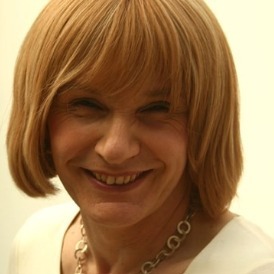
Suzanna Hopwood has been a member of the RCP Patient and Carer Network (PCN) for nearly 10 years, contributing a lay perspective based on both observed and lived experience of delivery of healthcare and policy in general as well as from the perspective of a woman with a trans history. Suzanna is currently a lay examiner for the Royal College of Surgeons and the Royal College of Obstetrics and Gynaecology, work which she considers to be important in the context of clinical training.
Suzanna HopwoodMember, RCP Patient and Carer Network
Claire Jowett
Member, RCP Patient and Carer Network
Claire JowettMember, RCP Patient and Carer Network
Richard Triffitt
Member, RCP Patient and Carer Network
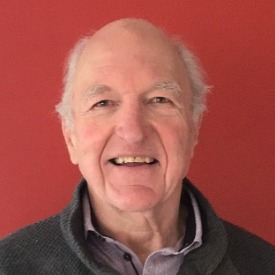
Richard Triffitt has been an active member of the RCP's Patient and Carer Network for over 10 years. He and his family have first-hand experience of paediatrics, hospital treatment and care – particularly in kidney failure, two transplants with one donation, severe cardiac attack and heart failure, aortic valve surgery, treatment in Emergency Department, ENT, and allergy diagnosis and management.
Richard TriffittMember, RCP Patient and Carer Network
All sessions are available to watch on demand until 4 September 2026.
An opening address by the RCP’s president and academic vice president.
Speaker(s): Professor Mumtaz Patel PRCP, Professor Tom Solomon FRCP
Professor Mumtaz Patel PRCP
President, Royal College of Physicians
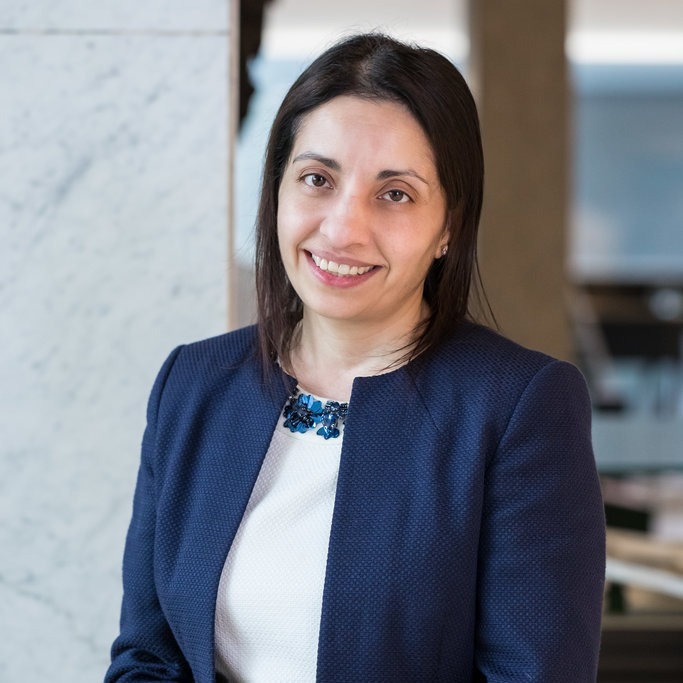
Professor Mumtaz Patel is a consultant nephrologist based in Manchester, UK. She is a postgraduate associate dean for NHS England and is currently president of the Royal College of Physicians (RCP), London. She was elected as senior censor vice president for education and training for the RCP in 2023 having completed her successful 3-year term as global vice president (2020-2023). She graduated with honours in 1996, from the University of Manchester. She obtained MRCP (UK) in 2000 and a PhD in 2006 exploring the genetics of lupus nephritis. She was appointed consultant nephrologist at Manchester University Hospitals in 2007. She has held various educational roles including renal training programme director, RCP regional advisor, clinical lead for quality, JRCPTB. She attained FRCP in 2011 and was awarded MSc in medical education with distinction in 2014. Her educational research interests include assessment, doctors in difficulty, differential attainment and fairness in medical education. She has published widely in medical education and presented at national/international conferences.
Professor Mumtaz Patel PRCPPresident, Royal College of Physicians
Professor Tom Solomon FRCP
Academic vice president, Royal College of Physicians
Professor Tom Solomon CBE is director of The Pandemic Institute, academic vice president of the Royal College of Physicians, vice president (international) of the UK Academy of Medical Sciences, and chair of neurological science at the University of Liverpool and Walton Centre NHS Foundation Trust, where he is also consultant neurologist. Tom studied medicine at Oxford, investigates emerging pathogens, particularly those affecting the brain, and heads the multi-disciplinary Liverpool Brain Infections Group which works to reduce the global burden of neurological infections. He was at the forefront of the UK response to Ebola, Zika and COVID-19. Tom is an adviser to the UK government and WHO, appears regularly on BBC television and radio, and is a passionate science communicator, wining a Guinness World Record for his Sci-Art ‘World’s Biggest Brain’ project, and another for running the fastest marathon dressed as a doctor.
Professor Tom Solomon FRCPAcademic vice president, Royal College of Physicians
From analogue to digital: artificial intelligence in the NHS
Join Professor Alastair Denniston, chair of the UK National Commission on the Regulation of AI in Healthcare, and other panellists as they consider the biggest opportunities and toughest challenges in making AI in the NHS effective and safe.
Chair: Dr Anne Kinderlerer FRCP
Dr Anne Kinderlerer FRCP
Digital health clinical lead, Royal College of Physicians
Dr Anne Kinderlerer is a consultant rheumatologist, associate medical director (patient safety) and clinical director for discharge and integrated care at Imperial College Healthcare NHS Trust.
Anne leads on the RCP’s digital health strategy which guides and supports members and fellows to grasp the opportunities presented by digital health to improve patient care and outcomes.
In her clinical leadership roles, Anne’s focus over much of the past decade has been on working with others to improve systems and processes so that they work for patients and make it easier for staff to do the right thing. Anne has a particular interest in how to build more usable systems that reduce burnout and increase safety.
Anne has trained extensively in improvement methodologies including completion of the Flow Coaching Academy Programme in 2017 which brings together people, data and patient stories to improve complex care pathways. She subsequently trained as a Flow Coaching Academy coach and was a clinical coach for the first Sepsis Big Room.
Dr Anne Kinderlerer FRCPDigital health clinical lead, Royal College of Physicians
Speaker(s): Professor Alastair Denniston, Dr Jess Morley
Professor Alastair Denniston
Professor of regulatory science and innovation, University of Birmingham
Professor Alastair Denniston is chair of the UK’s National Commission into the Regulation of AI in Healthcare, an National Institute for Health and Care Research senior investigator, professor in regulatory science and innovation at the University of Birmingham, and a clinician at University Hospitals Birmingham NHS Foundation Trust. He is director of the UK’s Centre of Excellence for Regulatory Science and Innovation in AI and Digital Health, is a member of the UK government’s Regulatory Horizons Council and is non-executive director to the UK’s Health Research Authority. He is passionate about supporting innovation in advanced digital and AI health technologies, to accelerate the development of products that are effective, safe and equitable – and which make a difference to people in the ‘real world’.
Professor Alastair Denniston Professor of regulatory science and innovation, University of Birmingham
Regulating AI in healthcare: protecting patient safety
Dr Jess Morley
de Vries-Sherif associate research scientist and associate director of research, Digital Ethics Centre, Yale University
Dr Jess Morley is de Vries-Sherif associate research scientist and associate director of Research at the Digital Ethics Center, Yale University. She holds a BA, MSc and PhD from the University of Oxford. Her research focuses on the ethics and governance of health data and AI, and she has previously served as a technology adviser at NHSX and as lead researcher for the Goldacre Review. She sits on the NHS England AI Advisory Board and the UK National Data Guardian’s panel, and is an associate editor at BMJ Digital Health & AI.
Dr Jess Morleyde Vries-Sherif associate research scientist and associate director of research, Digital Ethics Centre, Yale University
The importance of being ethically mindful about AI: from principles to practice
Kidneys in transition: early clues, integrated care, new perspectives
Developed in collaboration with the UK Kidney Association, this session will explore chronic kidney disease, from early detection and strategies to slow progression to the roles of primary and secondary care. It will also highlight the patient perspective, examining the shift from analogue to digital pathways.
Chair: Dr Bhavna Pandya FRCP, Dr Sacha Moore
Dr Bhavna Pandya FRCP
Consultant nephrologist and physician, Liverpool University Hospitals NHS Foundation Trust
Dr Bhavna Pandya has been a consultant nephrologist and physician in Liverpool University Hospitals NHS Foundation Trust since 2005 and is an honorary senior clinical lecturer at the University of Liverpool. She began as regional chronic kidney disease lead in 2006, following the UK government's initiative regarding chronic kidney disease, and was trust lead for long term conditions. Bhavna is a founding trustee of three charities, including Liverpool Kidney Patients’ Charity. She chaired the Equal Opportunity in Nephrology Committee of Renal Association 2016–19 and was an elected medical and dental staff governor for two terms, as well as being elected as deputy lead governor. Currently, Bhavna leads the Ethnic Minority Staff Network for the trust. She is a trustee of UK Kidney Association and has remained as an education and teaching lead in the department.
Dr Bhavna Pandya FRCPConsultant nephrologist and physician, Liverpool University Hospitals NHS Foundation Trust
Dr Sacha Moore
WCAT specialty registrar in nephrology, University Hospital of Wales
Dr Sacha Moore is a specialty registrar in nephrology and general internal medicine on the Wales clinical academic training scheme in Cardiff.
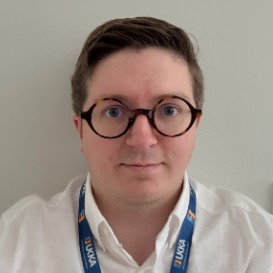
His clinical interests include chronic kidney disease (CKD) management, particularly CKD mineral and bone disorder (CKD-MBD), and cardiorenal disease. He also has an interest in acute kidney injury (AKI) management, having been lead author of the All-Wales AKI Guideline.
Sacha's research focuses on vascular calcification as a driver of cardiovascular disease in people living with CKD, and he is currently out-of-programme undertaking a Wellcome Trust-funded GW4CAT-HP doctoral fellowship investigating mechanisms driving osteogenic transdifferentation of vascular smooth muscle cells in chronic kidney disease.
Sacha is keen to promote and support clinical academic careers, which drives his work as a resident doctor committee representative on the RCP Research and Academic Medicine Committee. He is also passionate about ensuring access to research opportunities for resident doctors across the country through chairing NEPHwork, the UK Kidney Association-supported trainee-led research collaborative.
Dr Sacha MooreWCAT specialty registrar in nephrology, University Hospital of Wales
Speaker(s): Professor Smeeta Sinha FRCP, Dr Rupert Major, Dr Kristin Veighey FRCP, Mr Owain Brooks
Professor Smeeta Sinha FRCP
Consultant nephrologist, Northern Care Alliance NHS Foundation Trust
Professor Smeeta Sinha is a consultant nephrologist and honorary professor at the University of Manchester and a visiting professor at Manchester Metropolitan University. She is a Northern Care Alliance research and innovation deputy director and her research interests include CKD epidemiology, rare renal disease, vascular calcification disorders and multi-morbidity. In addition to Smeeta’s research roles, she is the NHS England national clinical director for renal medicine.
Professor Smeeta Sinha FRCPConsultant nephrologist, Northern Care Alliance NHS Foundation Trust
Detection of chronic kidney disease early and prevent progression
Dr Rupert Major
Associate professor, University of Leicester
Dr Rupert Major is a clinical associate professor and consultant nephrologist specialising in chronic kidney disease, risk prediction and integrated care. He trained at the University of Leicester, qualifying in medicine in 2009, and completed specialist renal training in the East Midlands.
Rupert holds a PhD in cardiovascular risk prediction in people with kidney disease and has played a key role in the development and validation of the kidney failure risk equation (KFRE), recommended by NICE and used internationally. He leads national KFRE implementation, is UK Kidney Association national co-lead for integrated CKD care and directs LUCID, an internationally recognised integrated care programme focused on equity, early intervention, medicines optimisation, and improved outcomes.
Dr Rupert MajorAssociate professor, University of Leicester
Chronic kidney disease: across primary and secondary care
Dr Kristin Veighey FRCP
NIHR academic clinical fellow in general practice, University Hospital Southampton NHS Foundation Trust
Dr Kristin Veighey trained in Belfast and graduated in 2004, prior to moving to Southampton to be a junior house officer. After a 4-year period as a junior doctor in Wessex, she started renal (kidney) speciality training in London and completed a PhD. During her research time, Kirstin supported a multi-national clinical trial (REPAIR) and developed a passion for clinical research to improve patient care. She worked as an NHS consultant nephrologist for 5 years, before making the decision to retrain as a clinical academic GP.
Kirstin is currently leading on National Institute for Health Research (NIHR) funded research to understand how we can better identify and manage people with chronic kidney disease (CKD) in primary care. She is the UK Kidney Association Integrated CKD clinical co-lead, sits on the UK Kidney Association CKD Special Interest Group (SIG), leads the Society for Academic Primary Care SIG, and is the clinical lead for a Hampshire & Isle of Wight Integrated Care System industry funded service improvement project, SPOT-CKD. Kirstin led the development of a framework for extended roles for GPs in kidney health with the Royal College of General Practitioners. Additionally, she works as co-director of the Southampton Academy of Research, and leads the Research Leaders Programme.
Dr Kristin Veighey FRCPNIHR academic clinical fellow in general practice, University Hospital Southampton NHS Foundation Trust
Chronic kidney disease across primary and secondary care
Mr Owain Brooks
Consultant pharmacist and clinical and operational lead, South West Wales Renal Medicines Service
Owain Brooks is lead pharmacist for kidney services across south-west Wales and provides strategic leadership for the region’s renal medicines service, ensuring high standards of care. He champions patient-centred and innovative approaches to healthcare and, as an independent prescriber delivers specialist, tailored treatment for people living with kidney disease.
Owain maintains a broad portfolio spanning service improvement, research and pharmacy-led innovation. In recent years, he has overseen the development of multimedia education resources designed to help people living with kidney disease to better understand their condition and treatment options.
Owain is a fellow of the Royal Pharmaceutical Society and is currently undertaking a Doctorate in Business Administration to deepen his understanding of organisational structures and complex adaptive systems, such as the NHS, to improve patient care.
Mr Owain BrooksConsultant pharmacist and clinical and operational lead, South West Wales Renal Medicines Service
From analogue to digital: collaborative and inclusive kidney patient education
Developed in collaboration with the Association of Physicians of Great Britain and Ireland, this session will examine ageing through the lenses of digital detection, biological mechanisms, and emerging interventions.
Chair: Professor Claire Shovlin FRCP
Professor Claire Shovlin FRCP
Professor of practice, clinical and molecular medicine, Imperial College London
Professor Claire Shovlin FRCPProfessor of practice, clinical and molecular medicine, Imperial College London
Speaker(s): Dr Oliver Robinson, Professor David Weinkove, Regius Rose Ann Kenny FRCP
Dr Oliver Robinson
Associate professor in molecular epidemiology, Imperial College School of Public Health
Dr Oliver Robinson is associate professor in molecular epidemiology at the MRC Centre for Environment and Health and the Ageing Epidemiology (AGE) Research Unit at the School of Public Health, Imperial College London. His research interests lie in the field of molecular and environmental epidemiology, biological ageing and health inequalities. As a Future Leaders Fellow, funded by UK Research and Innovation, he is developing novel biomarkers of ageing across multiple populations, using omics technologies. The work may shed light on common pathological mechanisms underlying multiple non-communicable diseases. As co-investigator on the Gates Ventures-funded Chariot Pro Longitudinal Study, he is investigating risk factors and prognostic markers of cognitive ageing and dementia risk.
Oliver is co-investigator for the Horizon project ENDOMIX (https://endomix.eu/), which investigates immune-mediated effects of environmental chemicals, and principal investigator for the MRC-funded MACAW project, which studies the role of air pollution in cognitive ageing and dementia risk.
Dr Oliver RobinsonAssociate professor in molecular epidemiology, Imperial College School of Public Health
Biological ageing clocks: their application and potential in research and practice
Professor David Weinkove
Professor, Department of Biosciences, Durham University
David Weinkove is a professor at the Department of Biosciences at Durham University. He is also chair of the British Society for Research on Ageing and co-founder of the company Magnitude Biosciences. David has studied ageing for over 25 years and his research is primarily on how bacteria can accelerate ageing. He works with the model organism Caenorhabditis elegans, a tiny nematode worm. He found that the inhibiting bacterial folate synthesis in the E. coli that worms feed on makes the worms live and stay healthier for longer. David is collaborating with clinicians to explore whether something similar happens in human and how it is affected by folic acid supplementation. He promotes the use of the basic biology of ageing to help prevent disease and maintain human health.
Professor David WeinkoveProfessor, Department of Biosciences, Durham University
Do bacteria age us? Applying biology to human ageing
Regius Rose Ann Kenny FRCP
Professor of medical gerontology, Trinity College Dublin
Rose Anne Kenny is Regius Professor of Physic (Medicine) and holds the chair of medical gerontology at Trinity College Dublin. Rose is the founding principal investigator of The Irish Longitudinal study on Ageing (TILDA) and director of the Mercer’s Institute for Successful Ageing (MISA) at St James’s Hospital, where she is also director of a large national falls and syncope and autonomic function laboratory. She is director of the new WHO Collaborating Centre for Longitudinal Studies on Ageing and the Life Course.
She is a member of the Royal Irish Academy and a fellow of the Royal College of Physicians of Edinburgh, London and Ireland, a fellow of Trinity College Dublin, a fellow of the European Society of Cardiology, honorary fellow of the Faculty of Public Health Medicine Ireland, and was recently awarded an honorary doctorate from the Royal College of Surgeons in Ireland. She has received a number of international awards and has published widely, authoring over 700 publications, including her recently published book Age proof – the new science of living a longer and healthier life, which was shortlisted for the Royal Society Science Book Prize 2022. In 2020, she was elected president of the Irish Gerontological Society. In 2022 she was nominated 24th Regius Professor of Physic at TCD (1637) – the first female nominee.
Regius Rose Ann Kenny FRCPProfessor of medical gerontology, Trinity College Dublin
What we can learn from longitudinal data addressing sickness to prevention
Movement as medicine: modern approaches in sports and exercise medicine
Developed in collaboration with the Faculty of Sports and Exercise Medicine, this session will explore how sports and exercise medicine is advancing prevention and rehabilitation. Topics include the use of an AI chatbot using motivational interviewing, supporting patients with long‑term conditions to rehabilitate, and the role of Moving Medicine and Physical Activity Clinical Champions in shifting care from sickness to prevention.
Chair: Dr Rick Seah FRCP, Dr Alice Cole
Dr Rick Seah FRCP
Consultant in sport, exercise and musculoskeletal medicine, Royal National Orthopaedic Hospital NHS Trust
Dr Rick Seah is a consultant in sport, exercise and musculoskeletal medicine at the Royal National Orthopaedic Hospital (RNOH) NHS Trust in North London. He is an honorary associate professor at the Institute of Orthopaedics and Musculoskeletal Science, University College London (UCL).
He obtained his medical degree from Guy's and St Thomas' Hospitals Medical School, King’s College London and completed a master's degree with distinction in sport and exercise medicine (SEM) at UCL.
Rick is clinical lead for the departments of rheumatology, metabolic bone disease and SEM at RNOH and a consultant appraiser. He is deputy chair of the RNOH medical staff committee.
He is current chair of the RCP SEM Committee and an RCP Medical Specialties Board member. He is a Faculty of Sport and Exercise Medicine (FSEM[UK]) council member and previous chair of the FSEM(UK) communications committee.
Rick is interested in medical education and lectures or examines for UCL, University of Bath and FSEM(UK).
Dr Rick Seah FRCP Consultant in sport, exercise and musculoskeletal medicine, Royal National Orthopaedic Hospital NHS Trust
Dr Alice Cole
Clinical education fellow, Royal College of Physicians
Dr Alice Cole is a rheumatology and general internal medicine resident doctor based in Northeast London. She is currently completing a year-long clinical education fellowship at the Royal College of Physicians alongside a postgraduate certificate in medical education. Alice has organised sport and exercise medicine regional resident doctor teaching and hosted an RCP Medicine podcast discussing the use of motivational interviewing within the specialty.
Dr Alice ColeClinical education fellow, Royal College of Physicians
Speaker(s): Dr Carys Webster, Dr Jean Wong, Dr Vincent Ninh, Dr Raj Amarnani
Dr Carys Webster
Specialty registrar in sport and exercise medicine, Oxford University Hospitals NHS Foundation Trust
Dr Carys Webster is a specialty registrar in sport and exercise medicine in Oxford. She graduated from the University of Leicester in 2014 and worked in hospitals across London, initially specialising in anaesthetics and intensive care. Her passion for preventative medicine and interest in female athlete health led her to complete a Masters degree in Sport and Exercise Medicine at QMUL in 2022, and she moved to Oxford in 2023 to take up a role in this specialty. As part of Carys’ NHS role, she is involved in developing the Moving Medicine website and the Physical Activity Clinical Champion Programme.
Dr Carys WebsterSpecialty registrar in sport and exercise medicine, Oxford University Hospitals NHS Foundation Trust
Moving medicine for everyone: how physical activity improves chronic disease and comorbidity
Dr Jean Wong
Consultant in sports and exercise medicine, Nottingham University Hospitals NHS Trust
Dr Jean Wong is a consultant in sports and exercise medicine and a GP in the East Midlands, as well as a trustee of the British Association of Sport and Exercise Medicine. She is passionate about promoting physical activity in healthcare and is the project lead for the Moving Medicine Coachbot, an AI-enabled motivational interviewing chatbot designed to support increased physical activity in people with long-term conditions. Jean served as a physical activity clinical champion in the Midlands for 10 years and has long advocated for integrating physical activity into routine clinical care. As a GP partner, she led her practice to become a Royal College of General Practitioners Parkrun Practice in 2015. She also contributes to education and training in physical activity medicine, including teaching on the BASEM exercise medicine course.
Dr Jean WongConsultant in sports and exercise medicine, Nottingham University Hospitals NHS Trust
Moving Medicine coachbot: using an AI digital coachbot to support physical activity conversations in healthcare
Dr Vincent Ninh
Specialty registrar in sport and exercise medicine and general practitioner, Oxford University Hospitals NHS Foundation Trust
Dr Vincent Ninh Specialty registrar in sport and exercise medicine and general practitioner, Oxford University Hospitals NHS Foundation Trust
Physical Activity Clinical Champions, with a special emphasis on obesity and GLP-1’s
Dr Raj Amarnani
Consultant in sport, exercise and musculoskeletal medicine, University College London Hospitals NHS Foundation Trust
Dr Raj Amarnani is a consultant in sport and exercise medicine at University College London Hospitals NHS Foundation Trust and fellow of the Faculty of Sport and Exercise Medicine. He is the current president of the Royal Society of Medicine’s Rheumatology and Rehabilitation Section and is also a medical adviser and trustee for the National Axial Spondyloarthritis Society. He is an honorary clinical lecturer at Queen Mary University of London and a member of two European Alliance of Associations for Rheumatology taskforces, currently developing international guidelines on physical activity and fatigue in rheumatic diseases. He is the chair of the physical activity specialist interest group at the British Society for Rheumatology and winner of the British Association of Sport and Exercise Medicine’s association prize.
Dr Raj AmarnaniConsultant in sport, exercise and musculoskeletal medicine, University College London Hospitals NHS Foundation Trust
Unlocking recovery in patients with long-term conditions
This is a promotional symposium sponsored and organised by AstraZeneca, intended for UK HCPs only.
This session will not be CPD accredited.
AstraZeneca has provided sponsorship towards this independent programme. AstraZeneca has had no editorial input into or control over the agenda, content development or choice of speakers, nor opportunity to influence except for the AstraZeneca sponsored symposia presentations.
Speaker(s): Dr Mo Al-Aloul
Dr Mo Al-Aloul
Dr Mo Al-Aloul is an independent consultant respiratory physician in Manchester. He previously worked at Stockport NHS Foundation Trust, where he led pleural services, venous thromboembolism pathways, and clinical audit, and contributed to the lung cancer multidisciplinary team. Prior to this he served as lead lung transplant Physician at the Northwest Lung Centre, Manchester, managing complex end-stage respiratory disease and transplantation. Nationally, he chaired the NHS Blood and Transplant Lung Allocation Working Party, leading the development and implementation of the UK lung allocation scheme. He has also contributed to national policy as a member of the NICE COPD guideline committee and held a senior digital leadership role as Deputy Chief Informatics Officer, supporting large-scale electronic patient record deployment.
His academic and educational portfolio includes an MD from the University of Liverpool, Honorary Senior Lectureship, and a former role as Associate Hospital Dean at the University of Manchester. He has a strong research track record with peer reviewed publications in Thorax, JAMA, theEuropean Respiratory Journal and the Journal of Heart and Lung transplantation, alongside leadership roles in NIHR-funded and multicentre studies in lung transplantation and pleural disease. He has delivered teaching and invited lectures nationally and internationally for over two decades, with a sustained focus on respiratory training, service development, and multidisciplinary care.
Dr Mo Al-Aloul
Connected care: collaborative strategies for transforming COPD management
Led by RCP Invited Reviews, this session will hear from relevant experts about the nature of the work, and give examples of effective change being implemented following an IR. In particular, this session will explore the inclusion of patients and families in reviews, isolated specialists going under the radar, dealing with dysfunctional teams and lessons from rheumatology.
RCP Invited Reviews offer consultancy services to healthcare organisations that require independent, external advice. Issues commonly considered include patient safety concerns, increased mortality and morbidity flags in national or local audits, lack of adherence to NICE or other national guidelines, workload and capacity pressures, individual behaviours and teamworking challenges, unresolved patient and family concerns about care, and the management of services such as mergers or the introduction of new pathways.
Chair: Dr Adam de Belder FRCP, Dr Peter Belfield FRCP
Dr Adam de Belder FRCP
Medical director of invited reviews, Royal College of Physicians
Dr Adam de Belder is the current medical director (MD) of invited reviews at the RCP.
A clinical chair in cardiology at Brighton and Sussex Medical School, he has pursued a career as a cardiac and valve interventionist and was part of a team that set up adult cardiological services based in Brighton in 1999. His experience in developing advanced cardiac audit programmes led to his appointments as chair of the British Cardiovascular Intervention Society (BCIS) and vice president of the British Cardiovascular Society (BCS) for clinical quality and standards. He was appointed deputy MD of RCP invited reviews in 2019 and MD in 2021.
Dr Adam de Belder FRCP Medical director of invited reviews, Royal College of Physicians
Dr Peter Belfield FRCP
Former medical director for invited reviews, Royal College of Physicians
Dr Peter Belfield was a consultant geriatrician at Leeds General Infirmary in 1987. Peter has held a number of local, regional and national clinical leadership roles. From 1998 to 2009 he held deputy medical director roles (both operational and corporate) at Leeds Teaching Hospitals. From 2007 to 2009 he was chair of the British Geriatric Society Policy Committee and deputy medical director of the Joint Royal Colleges of Physicians (RCP) Training Board. From 2009 to 2013 he was trust medical director at Leeds Teaching Hospitals.
During semi-retirement, from 2013 to 2017, he was a secondary care doctor for Leeds West Clinical Commissioning Group. From 2013 to 2023 he was trustee and from 2017, chair of St Gemma’s Hospice in Leeds, delivering excellent end of life care that was rated ‘outstanding’ by the Care Quality Commission in 2016 and 2022. From 2014 to 2022 he was medical director of the Invited Service Reviews and a college officer at the RCP. He completed over 40 reviews. In early 2023, he was interim college registrar at the RCP following the death of a colleague. Since 2022 he has been chair of the RCP Governance Committee of Invited Reviews. In 2023 he was awarded an MBE for services to patient care and for patient safety.
Dr Peter Belfield FRCPFormer medical director for invited reviews, Royal College of Physicians
Speaker(s): Dr Peter Belfield FRCP, Dr Adam de Belder FRCP, Dr Emma-Kate Reed FRCP, Dr Elizabeth Price FRCP
Dr Peter Belfield FRCP
Former medical director for invited reviews, Royal College of Physicians
Dr Peter Belfield was a consultant geriatrician at Leeds General Infirmary in 1987. Peter has held a number of local, regional and national clinical leadership roles. From 1998 to 2009 he held deputy medical director roles (both operational and corporate) at Leeds Teaching Hospitals. From 2007 to 2009 he was chair of the British Geriatric Society Policy Committee and deputy medical director of the Joint Royal Colleges of Physicians (RCP) Training Board. From 2009 to 2013 he was trust medical director at Leeds Teaching Hospitals.
During semi-retirement, from 2013 to 2017, he was a secondary care doctor for Leeds West Clinical Commissioning Group. From 2013 to 2023 he was trustee and from 2017, chair of St Gemma’s Hospice in Leeds, delivering excellent end of life care that was rated ‘outstanding’ by the Care Quality Commission in 2016 and 2022. From 2014 to 2022 he was medical director of the Invited Service Reviews and a college officer at the RCP. He completed over 40 reviews. In early 2023, he was interim college registrar at the RCP following the death of a colleague. Since 2022 he has been chair of the RCP Governance Committee of Invited Reviews. In 2023 he was awarded an MBE for services to patient care and for patient safety.
Dr Peter Belfield FRCPFormer medical director for invited reviews, Royal College of Physicians
What is an invited review?
Dr Adam de Belder FRCP
Medical director of invited reviews, Royal College of Physicians
Dr Adam de Belder is the current medical director (MD) of invited reviews at the RCP.
A clinical chair in cardiology at Brighton and Sussex Medical School, he has pursued a career as a cardiac and valve interventionist and was part of a team that set up adult cardiological services based in Brighton in 1999. His experience in developing advanced cardiac audit programmes led to his appointments as chair of the British Cardiovascular Intervention Society (BCIS) and vice president of the British Cardiovascular Society (BCS) for clinical quality and standards. He was appointed deputy MD of RCP invited reviews in 2019 and MD in 2021.
Dr Adam de Belder FRCPMedical director of invited reviews, Royal College of Physicians
Going under the radar – the isolated practitioner
Dr Emma-Kate Reed FRCP
Deputy medical director invited review team, University Hospitals Bristol and Weston NHS Foundation Trust
Dr Emma-Kate Reed is a consultant geriatrician at University Hospitals Bristol and Weston NHS Foundation Trust. She trained in Bristol and completed her specialist training in the Severn Deanery.
Emma-Kate is a deputy medical director at the Royal United Hospital, Bath, and her current portfolio includes urgent and emergency care and patient safety and governance. She has held previous senior leadership roles, including clinical chair for the Division of Medicine and deputy medical director at UHBW. She has an interest in patient safety and medical education.
She was appointed as a deputy medical director for RCP invited reviews in June 2023.
Dr Emma-Kate Reed FRCPDeputy medical director invited review team, University Hospitals Bristol and Weston NHS Foundation Trust
Involving patients and families in invited reviews
Dr Elizabeth Price FRCP
Consultant rheumatologist, Great Western Hospital NHS Foundation Trust
Dr Elizabeth Price is a consultant rheumatologist at Great Western Hospital in Swindon. In addition to general rheumatology, she has a specialist interest in Sjogren disease. Elizabeth was the lead author and driving force behind the British Society for Rheumatology guidelines for the management of Sjogren disease, published in 2025. She is a past president of the British Society of Rheumatology (2018–20) and current national clinical lead for the HQIP mandated New early inflammatory autoimmune audit running across England and Wales.
Dr Elizabeth Price FRCPConsultant rheumatologist, Great Western Hospital NHS Foundation Trust
Symptom based disorders in the era of TikTok and Chat GPT
Led by RCP Improvement, this session will explore practical approaches to identifying and managing symptom‑based disorders in NHS clinics. It will also examine the impact of social media, including the influence of health information and misinformation in the social media and AI era.
Symptom‑based disorders present a major challenge for patients, healthcare systems, and clinicians – accounting for an estimated 10% of the NHS’s total annual expenditure among adults of working age and affecting multiple specialties.
Chair: Dr Hilary Williams FRCP, Dr Zuzanna Sawicka FRCP
Dr Hilary Williams FRCP
Clinical vice president, Royal College of Physicians
Dr Hilary Williams is clinical vice president of the Royal College of Physicians and a consultant medical oncologist. She combines frontline clinical experience with a passion for improving patient care to reduce variation across the UK and tackle health inequalities.
Hilary's other leadership roles include RCP vice president for Wales, acute oncology lead for the Wales Cancer Network and board member of UK acute oncology services. She regularly speaks at national conferences and contributes to the media on issues of workforce, cancer, equality and healthcare improvement.
Dr Hilary Williams FRCPClinical vice president, Royal College of Physicians
Dr Zuzanna Sawicka FRCP
Clinical director for patient safety and clinical standards, Royal College of Physicians
Dr Zuzanna Sawicka is an acute and community consultant in elderly medicine at Mid Yorkshire NHS Teaching Trust. She is the clinical director for patient safety and clinical standards at the Royal College of Physicians. Zuzanna is passionate about the patient and staff voice, especially in keeping patient’s safe. She is committed to improving clinical standards, developing staff to achieve their full potential, and ensuring that patient’s get the right care at the right time in the right place and, where possible, that the care is delivered close to the place the person calls home. Through the years, Zuzanna has worked on many patient safety issues, from championing PJ paralysis to improving hospital pathways and now more recently led, and has advocated for, improved care in the community setting by implementing a Hospital at Home Programme locally, truly believing in that fact that little things matter. In today’s world, where in health and social care we face challenges, recurrent bed pressures and financial constraints, Zuzanna firmly believes the ability to strive for excellence is vitally important and that, most of all, we must not do harm and ensure patients receive the care they need and deserve.
Dr Zuzanna Sawicka FRCPClinical director for patient safety and clinical standards, Royal College of Physicians
Speaker(s): Dr Theresa Barnes FRCP, Dr Richard Thomson FRCP, Professor Matthew Sadlier
Dr Theresa Barnes FRCP
Consultant rheumatologist, Countess of Chester Hospital NHS Foundation Trust
Dr Theresa Barnes FRCPConsultant rheumatologist, Countess of Chester Hospital NHS Foundation Trust
Symptom-based disorders: Addressing unmet needs and improving care
Dr Richard Thomson FRCP
Consultant gastroenterologist, Northumbria Healthcare NHS Foundation Trust
Dr Richard Thomson is graduated from Cambridge and undertook clinical training in London and Australia. He has broad interests in medicine, from the ‘hard’ – PhD in immunology, Bowel Cancer Screening Programme endoscopist, to the ‘soft’ – humanistic pedagogy, mind-body interaction and Balint.
In peri-retirement Richard’s clinical role has focused on triage. Northumbria runs a single point of access model that handles ~1,000 requests a month and delivers the best elective referral to treatment in England. This work has stimulated him more than he had anticipated – as a theatre for clinical reasoning and communication and a vantage point from which to see the state of the nation’s health. From here it is impossible to ignore the impact of environment, lifestyle and mental wellbeing on physical health, or wonder how the future expert is best trained and deployed to meet the challenge.
Dr Richard Thomson FRCPConsultant gastroenterologist, Northumbria Healthcare NHS Foundation Trust
Symptom based disorders – is there a better way to deploy the expert?
Professor Matthew Sadlier
Consultant liaison psychiatrist, Mater Misericordiae University Hospital
Professor Matthew Sadlier is a consultant liaison psychiatrist and associate professor of psychiatry in University College Dublin. Matthew has a strong interest in the effects of screens, social media and AI on mental health and cognitive function. He is an active member of Health Professionals for Safer Screens and has been involved in numerous campaigns in relation to screen use both in Ireland and UK. He is the current president of the Irish Medical Organisation.
Professor Matthew SadlierConsultant liaison psychiatrist, Mater Misericordiae University Hospital
Symptom based disorders in the world of TikTok and AI – new tech, old habits
Crowds, crises and chronic disease: medicine at a global scale
Led by RCP Global, this session inludes the Lady Estelle Wolfson lecture. Bringing together leading experts we will explore how physicians can deliver safe, effective care when patient needs extend far beyond the clinic. From scaling hepatitisB treatment to reach hundreds of millions worldwide, to how digital health services can be scaled in ways that are culturally sensitive and responsive to diverse populations in various settings, speakers will examine what it truly means to practise medicine at population scale. Drawing on global experience, from scaling through technology to health systems under strain, attendees will gain practical insights into human-centered design, culturally sensitive healthcare planning and sustainable scale-up strategies in both low-resource and high-resource settings.
The session will also address the rising burden of non‑communicable diseases in conflict‑affected and resource‑constrained settings, highlighting the shared challenges faced by clinicians across borders. Through real‑world lessons and international collaboration, participants will learn how global approaches to infectious disease, digital health and chronic conditions can enhance preparedness and improve patient care in UK practice.
Chair: Dr Emma Vaux FRCP, Dr Amrita D'Souza
Dr Emma Vaux FRCP
Global vice president, Royal College of Physicians
Dr Emma Vaux OBE is a consultant nephrologist and general physician at the Royal Berkshire NHS Foundation Trust since 2003. She is clinical director, integrated medicine A and associate medical director, patient safety. She is the clinical lead for the NHS England (NHSE) South-East Renal Clinical Network CKD workstream, and a member of NHSE Renal Services Clinical Reference Group.
At the Royal College of Physicians (RCP), Emma has been senior censor and vice president education and training (2017–20), RCP chief examiner (2018–22) and on the RCP education faculty since 2009. She continues as an MRCP(UK) PACES examiner. Emma led the development of the RCP500 Code of Conduct. She is a Generation Q fellow with the Health Foundation and a founding member of the Q Community. Emma is co-editor of ABC Quality Improvement in Healthcare and an assessor with NHS Resolution. She was awarded an OBE for services to medical education in 2021.
Dr Emma Vaux FRCPGlobal vice president, Royal College of Physicians
Dr Amrita D'Souza
Clinical fellow in medical microbiology and virology, Public Health Wales
Dr Amrita D'Souza is founder and former conference director of ‘Hot topics in global health’ hosted by the Chelsea and Westminster Hospital postgraduate team. After IMT2, she completed a Masters in Tropical Health and Infectious Disease Research with the Liverpool School of Tropical Medicine. Amrita’s 6-month field-based research project was based in Lima, Peru, with the Innovation for Health and Development (IFHAD) team led by the late Prof Carlton Evans (Imperial College London). IFHAD is a charity that works with 32 impoverished communities surrounding Lima, including in shantytowns. Following this, she completed a clinical observership at Yenepoya Medical College (Karnataka, India) in infectious diseases/microbiology, the directorate of extension and outreach activities, and medical education and simulation.
Interested in addressing healthcare inequalities within the NHS, Amrita co-founded and is project lead for the medical communication chart (MCC) project at Chelsea & Westminster Hospital NHS Trust and King’s College Hospital NHS Foundation Trust. The MCCs have been co-developed with patients at each stage and are aimed at reducing language barriers on daily medical ward rounds that affect healthcare access, patient safety and patient experience. These MCCs are free to access and available 24/7 for use nationally at https://www.chelwest.nhs.uk/professionals/medical-communication-charts.
Amrita is currently working as a clinical fellow in infectious diseases and medical microbiology at the University Hospital of Wales, Cardiff and hopes to start ST3 combined infection training in September 2026.
Dr Amrita D'SouzaClinical fellow in medical microbiology and virology, Public Health Wales
Speaker(s): Professor Philippa Matthews FRCP, Dr Hilal Al Saffar FRCP, Dr Waheed Arian
Professor Philippa Matthews FRCP
Professor of infectious diseases, University College London
Professor Philippa Matthews is a professor of infectious diseases at University College London and leads a research group at the Francis Crick Institute. Having trained in infectious diseases and microbiology in Nottingham, London, Liverpool and Oxford, she has also spent time working and collaborating in Malawi, South Africa, Kenya and Uganda. Philippa’s research focus is on the global public health threat associated with hepatitis B virus infection and she leads a translational clinical programme that seeks to unify laboratory approaches, study of real-world clinical cohorts, implementation science and public health interventions through multidisciplinary approaches. Her clinical practice is based in central London where she is part of a team providing care for people living with chronic blood borne virus infection. Philippa is clinical co-lead for the Health Informatics Collaborative for viral hepatitis and liver disease, and co-chairs the UK National Strategic Group for Viral Hepatitis (NSGVH).
Professor Philippa Matthews FRCPProfessor of infectious diseases, University College London
The Lady Estelle Wolfson lecture: scaling up hepatitis B treatment to reach global elimination targets – 300 million reasons
Dr Hilal Al Saffar FRCP
International adviser for Iraq, Royal College of Physicians
Professor Hilal Bahjet Shawki Al Saffar is a consultant cardiologist at Majeed Private Hospital, Baghdad. He was head of the Medical Education Unit at the College of Medicine, University of Baghdad for 10 years and was in charge of curriculum reform and development with American and UK universities. Hilal supervised training programmes in India, the UK and Germany for the Ministry of Health Iraq and is currently the international adviser for Iraq for the RCP, having founded the RCP Iraq Network. Alongside his consultant cardiology post, Hilal is vice president of the National Council for Accreditation Medical Colleges in Iraq (NCAMC), head of the Scientific Committee, Iraqi Red Crescent Society, and a medical education adviser, College of Medicine, Alkafeel University.
Dr Hilal Al Saffar FRCPInternational adviser for Iraq, Royal College of Physicians
Non-communicable diseases without borders: delivering care in crises affected and resource constrained settings – insights from Iraq
Dr Waheed Arian
Founder, Teleheal and Arian Wellbeing
Dr Waheed Arian was born in Afghanistan and went on to study at Cambridge and Harvard universities. He is now an emergency doctor in the NHS, author of best-selling memoir, In the wars, and founder of the pioneering telemedicine charity Arian Teleheal, which works directly with clinicians on the ground in low-resource and war-torn countries.
Waheed is the CEO of Arian Wellbeing, an innovative digital mental health initiative that provides culturally and language appropriate comprehensive mental health support to organisational staff and communities, including hard to reach diverse communities in the UK and globally, in partnership with government, healthcare, non-profit and for-profit organisations.
As an adviser, he helps governments and global organisations such as the UN, WHO and others with the development of their healthcare and education systems that can address inequalities. Waheed is an NHS innovation mentor and was appointed in 2019 to the WHO Roster of Digital Health Experts. He is recognised as a UNESCO global hope hero and a UN global goals goalkeeper for promoting sustainable development goals. He has been a signatory to the WHO World report on the health of refugees and migrants.
Waheed was named UK doctor of the year in 2021 and chosen by The Times as a person of the year. In 2022 he was given the world citizen award from Turkish Radio and Television. He was made a fellow of the Royal Society of Arts in 2023 and was awarded honorary fellowship by Cambridge University in 2024, as well as an honorary doctor of science from Chester University for his pioneering services in medicine.
Dr Waheed ArianFounder, Teleheal and Arian Wellbeing
Global health starts with individual health: designing, planning, and scaling digital health solutions
4:15pm BST - Comfort break
4:45pm BST
4:45pm – 5:45pm
Wolfson theatre, ground floor
Bad science to better data
Professor Ben Goldacre will close the day by sharing expert and inspiring reflections on his career advocating for improved research methods, and on the differing challenges of engaging the public, policymakers, and researchers in addressing complex data issues.
Chair: Professor Tom Solomon FRCP
Professor Tom Solomon FRCP
Academic vice president, Royal College of Physicians
Professor Tom Solomon CBE is director of The Pandemic Institute, academic vice president of the Royal College of Physicians, vice president (international) of the UK Academy of Medical Sciences, and chair of neurological science at the University of Liverpool and Walton Centre NHS Foundation Trust, where he is also consultant neurologist. Tom studied medicine at Oxford, investigates emerging pathogens, particularly those affecting the brain, and heads the multi-disciplinary Liverpool Brain Infections Group which works to reduce the global burden of neurological infections. He was at the forefront of the UK response to Ebola, Zika and COVID-19. Tom is an adviser to the UK government and WHO, appears regularly on BBC television and radio, and is a passionate science communicator, wining a Guinness World Record for his Sci-Art ‘World’s Biggest Brain’ project, and another for running the fastest marathon dressed as a doctor.
Professor Tom Solomon FRCPAcademic vice president, Royal College of Physicians
Speaker(s): Professor Ben Goldacre
Professor Ben Goldacre
Professor of evidence based medicine, University of Oxford
Ben Goldcare is Bennett professor of evidence-based medicine at the University of Oxford, and
director of the Bennett Institute for Applied Data Science. Recent projects include OpenPrescribing.net and OpenSAFELY.org – an open source secure data platform that has delivered high impact research analyses across 58 million patients’ GP records, developed in close collaboration with electronic health record system suppliers TPP and Optum (formerly EMIS). Ben is also a best-selling writer of popular science books, and author of the Goldacre review, Better, broader, safer uses of health data, for the Department of Health and Social Care, published in April 2022.
Professor Ben GoldacreProfessor of evidence based medicine, University of Oxford
Bad science to better data
5:45pm BST
5:45pm – 7:00pm
Networking reception
In‑person delegates are invited to an evening networking reception on the first day of the conference. Enjoy food and drinks while connecting with colleagues and the wider RCP community.
7:00pm BST - Close of day
All sessions are available to watch on demand until 4 September 2026.
How should GIM training evolve for the next generation? (in-person only)
High quality general internal medicine (GIM) is central to patient safety, flow and clinical leadership, yet too many doctors complete training without the confidence, continuity or support they need to thrive as generalists.
Through the RCP’s next generation campaign, doctors at every stage have told us the same thing: GIM matters, but generalist training too often feels fragmented, rushed and unsupported.
We rely on generalists, but we do not design training around generalism.
In this session, RCP president, Professor Mumtaz Patel and guests will discuss an important question: what does the next generation of generalists need from GIM training?
Chair: Professor Mumtaz Patel PRCP
Professor Mumtaz Patel PRCP
President, Royal College of Physicians
Professor Mumtaz Patel is a consultant nephrologist based in Manchester, UK. She is a postgraduate associate dean for NHS England and is currently president of the Royal College of Physicians (RCP), London. She was elected as senior censor vice president for education and training for the RCP in 2023 having completed her successful 3-year term as global vice president (2020-2023). She graduated with honours in 1996, from the University of Manchester. She obtained MRCP (UK) in 2000 and a PhD in 2006 exploring the genetics of lupus nephritis. She was appointed consultant nephrologist at Manchester University Hospitals in 2007. She has held various educational roles including renal training programme director, RCP regional advisor, clinical lead for quality, JRCPTB. She attained FRCP in 2011 and was awarded MSc in medical education with distinction in 2014. Her educational research interests include assessment, doctors in difficulty, differential attainment and fairness in medical education. She has published widely in medical education and presented at national/international conferences.
Professor Mumtaz Patel PRCPPresident, Royal College of Physicians
Speaker(s): Dr Richard Gilpin, Dr Aisyah Johari, Dr Ali Abbas, Dr Sacha Moore, Dr Áine Corry
Dr Richard Gilpin
Consultant in geriatric and general medicine, Wye Valley NHS Trust
Dr Richard Gilpin is a consultant in geriatric and general medicine at Hereford County Hospital. He is clinical lead for frailty and the royal college tutor. He leads the front door frailty team, working at the interface of acute and community care to provide practical, patient-centred medicine for older adults. He has recently been principal investigator for the POPS-Sup trial, exploring the role of geriatric medicine in supporting frail patients undergoing surgery, and continues to lead interventions aimed at improving outcomes for this population.
Richard is a strong advocate for general medicine as a varied, rewarding and sustainable career, particularly in hospitals like Hereford, where close-knit teams and continuity of care are invaluable parts of the job.
Dr Richard GilpinConsultant in geriatric and general medicine, Wye Valley NHS Trust
Dr Aisyah Johari
General internal medicine specialist registrar, University Hospitals of Leicester NHS Trust
Dr Aisyah Johari is currently a specialist registrar ST6 in general internal medicine based in University Hospitals of Leicester NHS Trust. She graduated from University of Leicester in 2015 followed by foundation and internal medical training across Merseyside and East Midlands. Aisyah has research experience in diabetes and contributes actively to medical education in simulation skills and as an examiner at Leicester Medical School. Her interest as a GIM specialist is in managing complex patients with multiple health conditions, providing holistic care and bridging the gap between primary and secondary care services.
Dr Aisyah JohariGeneral internal medicine specialist registrar, University Hospitals of Leicester NHS Trust
Dr Ali Abbas
GIM standalone ST6 registrar, University Hospitals Birmingham NHS Trust
Dr Ali Abbas is a specialty registrar (ST6) in standalone general internal medicine (GIM), currently based at University Hospitals Birmingham NHS Foundation Trust. He is FAMUS-accredited in lung, abdominal and DVT ultrasound, and is pursuing accreditation in focused echocardiography, reflecting his commitment to advanced bedside diagnostics. Alongside his clinical work, he is actively involved in local teaching and training.
Ali has a strong interest in cardiometabolic medicine, including hypertension, type 2 diabetes, chronic kidney disease and hypercholesterolaemia, with the aim of developing this into a future-focused specialist pathway within general medicine.
As a panellist at Medicine 2026, he represents the first generation of standalone GIM doctors and offers insight into how training must evolve to meet the demands of modern acute and general internal medicine.
Dr Ali AbbasGIM standalone ST6 registrar, University Hospitals Birmingham NHS Trust
Dr Sacha Moore
WCAT specialty registrar in nephrology, University Hospital of Wales
Dr Sacha Moore is a specialty registrar in nephrology and general internal medicine on the Wales clinical academic training scheme in Cardiff.
His clinical interests include chronic kidney disease (CKD) management, particularly CKD mineral and bone disorder (CKD-MBD), and cardiorenal disease. He also has an interest in acute kidney injury (AKI) management, having been lead author of the All-Wales AKI Guideline.
Sacha's research focuses on vascular calcification as a driver of cardiovascular disease in people living with CKD, and he is currently out-of-programme undertaking a Wellcome Trust-funded GW4CAT-HP doctoral fellowship investigating mechanisms driving osteogenic transdifferentation of vascular smooth muscle cells in chronic kidney disease.
Sacha is keen to promote and support clinical academic careers, which drives his work as a resident doctor committee representative on the RCP Research and Academic Medicine Committee. He is also passionate about ensuring access to research opportunities for resident doctors across the country through chairing NEPHwork, the UK Kidney Association-supported trainee-led research collaborative.
Dr Sacha MooreWCAT specialty registrar in nephrology, University Hospital of Wales
Dr Áine Corry
IMT2, Northern Ireland Medical and Dental Training Agency and Belfast Health and Social Care Trust
Dr Áine Corry graduated from Queen’s University Belfast in 2020, completing placements in Ruprecht-Karls-Universität Heidelberg, Germany as part of Erasmus, and undertook her foundation training in Northern Ireland.
During her foundation training Áine was a regional trainee representative on the NIMDTA Foundation and Trainee Forums, and was involved with undergraduate medical teaching, including developing a local teaching programme for medical students.
After foundation training, she spent a few months locuming before leaving the UK to gain experience working in Perth, Western Australia. This provided great insight into a different healthcare system, including better working conditions and work-life balance.
She is now an internal medical training doctor in Northern Ireland and is passionate about improving working conditions working in Northern Ireland and across the UK.
Áine joined the RCP Resident Doctor Committee at the end of 2024 and is keen to advocate for resident doctors to improve working conditions, education and training opportunities.
Dr Áine CorryIMT2, Northern Ireland Medical and Dental Training Agency and Belfast Health and Social Care Trust
Hospital to community: neighbourhood health in focus
This session will explore the government's vision for neighbourhood health and the role of medical specialists in this model.
Chair: Dr Hilary Williams FRCP
Dr Hilary Williams FRCP
Clinical vice president, Royal College of Physicians
Dr Hilary Williams is clinical vice president of the Royal College of Physicians and a consultant medical oncologist. She combines frontline clinical experience with a passion for improving patient care to reduce variation across the UK and tackle health inequalities.
Hilary's other leadership roles include RCP vice president for Wales, acute oncology lead for the Wales Cancer Network and board member of UK acute oncology services. She regularly speaks at national conferences and contributes to the media on issues of workforce, cancer, equality and healthcare improvement.
Dr Hilary Williams FRCPClinical vice president, Royal College of Physicians
Speaker(s): Dr Nicholas Hicks, Dr Emma Rowlandson FRCP, Dr Elizabeth MacPhie FRCP, Dr Kathy McLean, Dr Rebecca Brown
Dr Nicholas Hicks
Senior strategy adviser, Department of Health and Social Care
Dr Nicholas Hicks qualified as a doctor in 1982 and trained in general practice and public health. Currently, he is on secondment from Green Templeton College, University of Oxford to the DHSC System Strategy Unit, supporting the development and implementation of the 10 Year Health Plan. Nicholas’s career has included time as a practising GP, as a director of Public Health, PCT chief executive, a Harkness Fellow and several attachments policy making in the Department of Health where he was the lead author of the Coronary Heart Disease National Service Framework, then the doctor in the department’s Strategy Unit and a major contributor to the NHS plan’s health inequalities policies.
Dr Nicholas HicksSenior strategy adviser, Department of Health and Social Care
Delivering the government’s vision for neighbourhood health
Dr Emma Rowlandson FRCP
Consultant in acute medicine, Chelsea and Westminster Hospital NHS Foundation Trust
Dr Emma Rowlandson is a consultant in acute medicine at West Middlesex Hospital and a fellow of the Royal College of Physicians. Emma obtained her CCT in acute medicine in 2012 and completed her MBA in 2024, focusing on collaboration across the Hounslow health and social care system.
She is the Pan-London lead for stage 1 IMT and has held multiple educational leadership roles, including RCP tutor, local and regional IMT training programme director, and supervisor for London’s wellbeing and flourishing fellowships. She also helped secure funding for the new RCP wellbeing research fellowship and has co-authored work on clinician wellbeing.
As lead of the Society for Acute Medicine’s Wellbeing Committee, she champions initiatives that support clinicians to thrive and strengthen acute medicine as a sustainable, fulfilling specialty.
Emma has held several senior clinical leadership posts, including service director for ambulatory emergency care and acute medicine, clinical director for medical specialties, and clinical director for strategy, integration and partnerships. Her focus is on collaborative service design, improving patient experience, reducing health inequalities and developing neighbourhood care models across Hounslow.
Dr Emma Rowlandson FRCPConsultant in acute medicine, Chelsea and Westminster Hospital NHS Foundation Trust
Delivering neighbourhood health in Hounslow: the West Middlesex Hospital perspective
Dr Elizabeth MacPhie FRCP
Consultant rheumatologist, Lancashire and South Cumbria NHS Foundation Trust
Dr Lizzy MacPhie is a consultant rheumatologist in Preston and clinical lead for the integrated musculoskeletal service. Lizzy works in a community-based service and has been involved with the tender and then mobilisation of a new integrated service, which has been a unique opportunity to be heavily involved with service redesign. She has held the roles of chair of the Clinical Affairs Committee and chair of the Standards, Audit and Guidelines Working Group at the British Society for Rheumatology (BSR). She is a founder member of the BSR QI Special Interest Group. She has developed a particular interest in quality improvement through her work with service redesign and is an advocate of sharing good practice. In 2023 she was appointed the ICB clinical and care professional lead for Central and West Lancashire.
Dr Elizabeth MacPhie FRCPConsultant rheumatologist, Lancashire and South Cumbria NHS Foundation Trust
Community-based rheumatology in practice
Dr Kathy McLean
Dr Kathy McLean
Dr Rebecca Brown
Clinical lead for child health and neighbourhood transformation, Humber and North Yorkshire Integrated Care Board
Dr Rebecca Brown is a GP based in York with specialist interests in child health, neighbourhood health and urgent care innovation. She has developed GP-led paediatric services in partnership with secondary care, enabling greater clinical acuity to be managed safely in community settings.
Rebecca’s work focuses on shifting care from hospital to neighbourhood models, with an emphasis on reducing inequalities and addressing the impact of deprivation on health outcomes. She has particular expertise in coordinating care for children with complex needs, drawing on her experience in paediatric palliative medicine and hospice care to support families and integrate services around the child. Her leadership approach emphasises collaboration across primary, secondary, community and voluntary sectors, with a strong commitment to co-production and patient-centred innovation.
Rebecca worked within the NHS England North East and Yorkshire regional team as clinical lead for CYP asthma, representing the region nationally and co-founding the National Leadership Forum to enable collaboration and shared learning. She has been a principal investigator for national and international trials, including HARMONIE, a trial on RSV vaccines, and has presented nationally on child health and service transformation.
Dr Rebecca BrownClinical lead for child health and neighbourhood transformation, Humber and North Yorkshire Integrated Care Board
The frail heart: cardiovascular decision making in older adults
Developed in collaboration with the British Cardiovascular Society and the British Geriatrics Society, this session is designed to deliver clinically relevant, high-impact updates for a broad physician audience, with a focus on practical decision-making, multimorbidity, and the complexities of cardiovascular care in older patients.
Chair: Dr Shouvik Haldar FRCP, Dr Rebecca Jayasinghe
Dr Shouvik Haldar FRCP
Consultant cardiologist and electrophysiologist, Guy's and St Thomas' NHS Foundation Trust
Dr Shouvik Haldar is a consultant cardiologist and electrophysiologist at Royal Brompton and Harefield Hospitals, part of Guy’s and St Thomas’ NHS Foundation Trust, and an honorary senior clinical lecturer at Imperial College London. His clinical practice focuses on complex arrhythmias, atrial fibrillation and device-based therapies.
He trained at Guy’s and St Thomas’ Medical School and completed advanced electrophysiology fellowships at Royal Brompton and Harefield Hospitals and at Toronto General Hospital, University of Toronto.
Shouvik has an established portfolio of clinical and translational research in atrial fibrillation, arrhythmia phenotyping and digital health, with a particular focus on post-ablation outcomes, persistent AF mechanisms and wearable-based monitoring strategies.
Nationally, he is vice president for education at the British Cardiovascular Society, where he has led major developments in the society’s education strategy and national training programmes. He is also programme director for the UK Heart Rhythm Congress and has played a central role in shaping contemporary cardiovascular education and workforce development.
Dr Shouvik Haldar FRCPConsultant cardiologist and electrophysiologist, Guy's and St Thomas' NHS Foundation Trust
Dr Rebecca Jayasinghe
Consultant in geriatric medicine, East Kent Hospitals University NHS Foundation Trust
Dr Rebecca Jayasinghe is a consultant in geriatric and general internal medicine at East Kent Hospitals University NHS Foundation Trust. She graduated from King’s College London in 2011 and undertook her specialty training across Kent, Surrey and Sussex. She has a special interest in cardiovascular medicine in older people and has experience of delivering a cardiogeriatrics liaison service for cardiology patients with frailty, complex multiple health conditions and palliative care needs. As a committee member of the British Geriatrics Society Cardiovascular Special Interest Group, she regularly advocates for older people in the development of national policies by bodies including the Royal College of Physicians and NICE. She enjoys teaching, having developed a number of simulation programmes and produced online educational material. She also co-delivers an annual cardiogeriatrics conference.
Dr Rebecca JayasingheConsultant in geriatric medicine, East Kent Hospitals University NHS Foundation Trust
Speaker(s): Dr Ian Loke, Professor Catherine Labinjoh, Professor Dan Lasserson, Dr Mihir Kelshiker, Becky Hyland
Dr Ian Loke
Consultant cardiologist, University Hospitals of Leicester NHS Trust
Dr Ian Loke is a consultant cardiologist at Glenfield Hospital in Leicester and has more than 15 years’ clinical experience in cardiology. He is the local trust lead for the heart failure service and has been so for over a decade.
Ian has a keen interest in evolving the provision of patient care, highlighted by his establishment of the heart failure unit in Glenfield Hospital, with both a dedicated inpatient ward and a 72-hour access heart failure clinic. This has led to major improvements in patient care since its inception. He is actively involved in clinical trials involving both novel drugs as well as implantable cardiac devices. His commitment to advancing care is further evidenced by his continued involvement in educational initiatives across primary and secondary care. He is a regular speaker at regional and national meetings.
In addition to his active participation in clinical research and education, Ian has co-authored a number of articles with a focus on the screening and diagnosis of patients with left ventricular systolic dysfunction and heart failure, culminating in a thesis awarded with distinction. The value of his research has seen him present his findings at key medical congresses, including the European Society of Cardiology Congress.
Dr Ian LokeConsultant cardiologist, University Hospitals of Leicester NHS Trust
Rethinking cardiovascular risk, treatment and outcomes in older adults
Professor Catherine Labinjoh
National clinical advisor realistic medicine, NHS Forth Valley
Professor Catherine Labinjoh is a general cardiologist in NHS Forth Valley. She combines clinical work with her role as the national clinical advisor for realistic medicine in the Scottish government. She is a trustee of the Royal College of Physicians of Edinburgh and chair of Care Opinion, a health and social services feedback platform for patients. Catherine is passionate about person-centred, value-based health and care, providing sustainable care and services, delivering outcomes which matter to patients and families.
Professor Catherine LabinjohNational clinical advisor realistic medicine, NHS Forth Valley
Just because you can doesn’t mean you should: personalised care for older adults
Professor Dan Lasserson
Professor of acute ambulatory care, University of Warwick and University Hospital Coventry and Warwickshire NHS Trust
Professor Daniel Lasserson is professor of acute ambulatory care at Warwick Medical School, and honorary consultant in integrated acute medicine in the Department of Acute Medicine, University Hospitals Coventry and Warwickshire NHS Trust, working across the acute medical unit and the hospital at home service. He was the first president of the UK Hospital at Home Society and undertakes research on Hospital at Home care models, focusing on point of care diagnostics, including ultrasound (POCUS). Dan is one of the NHS England national clinical leads for hospital at home/virtual wards and is on the editorial board of the Journal of Advanced Home Medicine.
Professor Dan LassersonProfessor of acute ambulatory care, University of Warwick and University Hospital Coventry and Warwickshire NHS Trust
Heart disease at home: managing cardiovascular conditions in care homes and the community
Dr Mihir Kelshiker
Academic clinical lecturer, National Heart and Lung Institute, Imperial College London
Dr Mihir Kelshiker Academic clinical lecturer, National Heart and Lung Institute, Imperial College London
Implementation science for cardiovascular decision-making
Becky Hyland
Heart failure nurse consultant, HCRG Care Group
Becky Hyland is a heart failure nurse consultant based in a community heart failure service in Wiltshire. Her role involves providing expert care to patients with suspected and known heart failure closer to home. She has particular interests in heart failure with preserved ejection fraction cardiac amyloidosis and palliative care in heart failure, in addition to advocating for the crucial role specialist nurses have in heart failure management.
Becky is chair of the British Society for Heart Failure (BSH) nurse forum, and a councillor on the BSH Board, as well as being a member of the cardiovascular special interest group of the British Geriatric Society.
Becky HylandHeart failure nurse consultant, HCRG Care Group
Neurological emergencies: decoding pain, risk and rapid decisions
Developed in collaboration with the Association of British Neurologists, this session will address the assessment, diagnosis, and management of headache and blackouts in the emergency department. It will also explore the role and appropriate use of clot‑busting treatment during stroke care.
Chair: Dr Arani Nitkunan FRCP
Dr Arani Nitkunan FRCP
Consultant neurologist, Croydon Health Services NHS Trust
Dr Arani Nitkunan studied at Newnham College, Cambridge and Guy’s and St Thomas’ Hospital, London graduating in 1999. Arani was awarded a PhD for stroke research at St George’s Hospital, London in 2007. She was appointed as a consultant neurologist in 2013 with general neurology clinics at Croydon University Hospital and a specialist neuro-ophthalmology clinic at St George’s. Her two sub-specialist areas are stroke and neuro-ophthalmology. She was appointed clinical lead for neurology at Croydon in 2015 where she has transformed acute neurology and driven the appointment of five nurse specialists. Since May 2023, she is the chair of the Association of British Neurologists (ABN) Services Committee and hence a member of ABN executive council. She has held the previous ABN role of vice-chair of the newly formed Equality, Diversity and Inclusion Committee, and was a member of the Quality Committee and Acute Neurology Special Interest Group. She has been secondary care co-chair of the Southwest London Neurological Services Network since 2019 and was a trustee on the board of the Neurological Alliance.
Dr Arani Nitkunan FRCPConsultant neurologist, Croydon Health Services NHS Trust
Speaker(s): Dr Nicola Giffin FRCP, Dr Heather Angus-Leppan FRCP, Dr Anthony Pereira FRCP
Dr Nicola Giffin FRCP
Consultant neurologist, Royal United Hospitals Bath NHS Foundation Trust
Dr Nicola Griffin has been a consultant neurologist at the Royal United Hospital in Bath since 2003 and is currently clinical lead of an expanding inpatient and outpatient district general hospital department. She gained expertise in her specialist interest in primary headache disorders as a clinical research fellow for Professor Peter Goadsby in the Headache Group at Queen Square . She has been a committee member for the British Association for the Study of Headache and previous chair of the Association of British Neurologists (ABN) Headache and Pain Advisory Group. She was also meetings secretary for the ABN 2022–2025.
Dr Nicola Giffin FRCP Consultant neurologist, Royal United Hospitals Bath NHS Foundation Trust
How to assess, diagnose and manage headache in the emergency department
Dr Heather Angus-Leppan FRCP
Consultant neurologist and honorary associate professor, Royal Free London NHS Foundation Trust
Dr Heather Angus Leppan is a consultant neurologist, epilepsy lead and director of epilepsy research at the Royal Free London NHS Foundation Trust. She is an honorary associate professor at the UCL Queen Square Institute of Neurology. Her clinical practice includes general and acute neurology, with interests in epilepsy and headache.
Heather is involved in clinical research and leadership, with a focus on improving diagnostic accuracy, patient safety and quality of care. She has contributed to national guidelines and multidisciplinary care pathways and is engaged in medical education across undergraduate and postgraduate settings. She is past president of the Clinical Neurosciences Section of the Royal Society of Medicine and president-elect of the Medical Society of London. She also contributes to professional, advocacy and patient focused organisations in the UK and internationally.
Dr Heather Angus-Leppan FRCPConsultant neurologist and honorary associate professor, Royal Free London NHS Foundation Trust
How to assess, diagnose and manage blackouts in the emergency department
Dr Anthony Pereira FRCP
Consultant neurologist, St George's University Hospitals NHS Foundation Trust
Dr Anthony Pereira FRCP Consultant neurologist, St George's University Hospitals NHS Foundation Trust
Multimorbidity, diabesity and its impact on long term health
Developed in collaboration with the Editor in Chief of ClinMed, this session will look at multimorbidity, diabesity and its impact on long term health. This will also highlight the prevention strategies, role of big data and AI.
Chair: Professor Ponnusamy Saravanan FRCP
Professor Ponnusamy Saravanan FRCP
Professor of diabetes, endocrinology and metabolism, George Eliot Hospital NHS Trust
Professor Ponnusamy Saravanan (Sara) is a professor and honorary consultant physician specialising in diabetes, endocrinology and metabolism at Warwick Medical School, University of Warwick, and George Eliot Hospital in Nuneaton. He serves as a non-executive director on the Coventry and Warwickshire Mental Health Trust Board and recently concluded his role as diabetes lead for the NIHR West Midlands Research Delivery Network. Sara is the editor-in-chief of the Royal College of Physicians' journal, Clinical Medicine and joint editor-in-chief for Current Opinion in Endocrinology, Diabetes and Obesity.
Sara was the NHS Innovation Award winner for personalised diabetes management for South Asians in 2015. He is a driving force in shaping new guidelines (Thyroid hormone replacement, 2011; GDM screening during Covid-19 pandemic 2021) and rapid adoption of new therapies and technologies at local, regional, national and international levels. He established early pregnancy cohorts worldwide (UK, India, Kenya, Malaysia and Thailand) to address gaps in evidence in the field of programming of obesity and cardiometabolic disorders. Sara has authored over 170 peer-reviewed publications and earned several national and international accolades.
Professor Ponnusamy Saravanan FRCPProfessor of diabetes, endocrinology and metabolism, George Eliot Hospital NHS Trust
Speaker(s): Dr Lyn Ferguson, Dr Harini Sathanapally, Professor Krish Nirantharakumar
Dr Lyn Ferguson
Consultant and honorary senior clinical lecturer chemical pathology and metabolic medicine, NHS Greater Glasgow and Clyde and University of Glasgow
Dr Lyn Ferguson is a consultant and honorary senior clinical lecturer in chemical pathology and metabolic medicine at the University of Glasgow and NHS Greater Glasgow and Clyde. Lyn’s research focuses on how best to manage obesity and related health conditions, including cardiovascular disease, dyslipidaemia, diabetes and inflammatory arthritis.
Dr Lyn FergusonConsultant and honorary senior clinical lecturer chemical pathology and metabolic medicine, NHS Greater Glasgow and Clyde and University of Glasgow
Managing obesity and related multiple long-term conditions in modern medicine
Dr Harini Sathanapally
Doctoral fellow and GP, University of Leicester
Dr Harini Sathanapally is a GP and Wellcome funded doctoral fellow at the University of Leicester. Her research interests include improving the care of people living with multiple long term conditions, breathlessness presentations and ethnic inequalities in healthcare.
Dr Harini SathanapallyDoctoral fellow and GP, University of Leicester
Metabolic multi-system disease – prevention and role of primary care
Professor Krish Nirantharakumar
Professor of public health and health data science, King's College London
Professor Krishnarajah Nirantharakumar is a professor of public health and health data science at King’s College London. His research focuses on improving prevention and management of diabetes and multiple long-term conditions (MLTC) using large-scale health data and digital technologies. Krish has pioneered automated real-world evidence platforms, including DExtER and digital trial infrastructures, enabling rapid population-level research using electronic health records. His work spans prediction modelling, digital clinical decision support and pragmatic trials to deliver personalised care. Through national and international collaborations, Krish aims to translate data-driven insights into scalable interventions that improve cardiometabolic health and reduce health inequalities.
Professor Krish NirantharakumarProfessor of public health and health data science, King's College London
Data driven learning health system for tackling Multiple Long-Term Conditions (MLTC)
Modern acute medicine: prevention, innovation and better decisions
Developed in collaboration with the Society of Acute Medicine, this session will examine new models of care in acute medicine, including Hospital at Home approaches, the intersection of homelessness medicine and prevention, and how clinicians can avoid overtreatment at the end of life.
Chair: Dr Ben Chadwick FRCP
Dr Ben Chadwick FRCP
Deputy registrar, Royal College of Physicians
Dr Chadwick is a consultant physician in Acute Medicine at University Hospital Southampton NHS Foundation Trust, and was appointed to the role in 2008.
A fellow of the RCP since 2015, Ben completed his undergraduate training at Southampton University before becoming one of the first registrars to train in Acute Medicine in the Wessex Deanery in 2004. Ben is an Honorary Senior Lecturer at the University of Southampton, where he works as the Programme Lead for the graduate entry medicine course (BM4). In addition to his role with undergraduate medical education, Ben has always had a keen interest in postgraduate medical education. He acted as the Training Programme Director for Acute Internal Medicine (AIM) in Wessex Deanery from 2009 to 2018, and chaired the Specialist Advisory Committee for AIM from 2016 to 2022. During this time he was responsible for the development of the 2022 AIM curriculum, including introducing point of care ultrasound as core part of the curriculum, with time for this protected for training.
Since demitting as the chair of the AIM SAC in 2022 Ben has taken up the role of the RCP college tutor in Southampton responsible for ST4+ trainees. In this role he has developed well received regional training days in General Internal Medicine, and also simulation training within the Trust. Since 2023 Ben has also acted as the joint Regional Advisor for the Wessex region.
Ben was elected as one of two England Regional Advisor representatives to the RCP council, and has been a member of the Council since January 2024. In this role he has been involved in producing guidance on supervision and employment of Physician Associates in the medical specialties.
Dr Ben Chadwick FRCPDeputy registrar, Royal College of Physicians
Speaker(s): Dr Tom Knight, Dr Molly Bradbury, Dr Vicky Price FRCP
Dr Tom Knight
Acute and general internal medicine consultant, University of Manchester
Tom Knight is a doctor working in acute and general internal medicine and an academic clinical lecturer at the University of Manchester. He completed his PhD at the University of Birmingham. His research focuses on the use of routinely collected healthcare data to describe and quantify variation in acute care processes and evaluating novel acute care models. He is particularly interested in strengthening communication and collaboration between clinicians and data professionals to improve the design and evaluation of healthcare services.
Dr Tom KnightAcute and general internal medicine consultant, University of Manchester
Hospital at home
Dr Molly Bradbury
IMT3, Gloucestershire Hospitals NHS Foundation Trust
Dr Molly Bradbury is a current IMT3 trainee in the south-west of England, aiming to pursue a future career in gastroenterology. She has a special interest in caring for patients with complex lives, as well as research experience in the area of inclusion health, health inequality and addiction.
Dr Molly BradburyIMT3, Gloucestershire Hospitals NHS Foundation Trust
Inclusion in practice: caring for patients who use drugs and those experiencing homelessness
Dr Vicky Price FRCP
Consultant, Liverpool University Hospitals NHS Foundation Trust
Dr Vicky Anne Price is the current president of the Society for Acute Medicine. She works as a consultant at Liverpool University Hospitals NHS Foundation Trust and also teaches simulation and communication skills at the University of Liverpool.
Vicky has an interest in end-of-life care and patient-centred medicine.
Dr Vicky Price FRCP Consultant, Liverpool University Hospitals NHS Foundation Trust
Acute medicine at the end of life: the courage to care differently
Honest conversations and innovations in delivery of medicines and palliative care in the home
Developed in collaboration with the Joint Specialty Committee for Palliative Medicine, this session will look at innovative ways to support people receiving palliative care at home and in the community, including alternative medication routes, virtual palliative care wards, and clear guidance on discussing hydration and nutrition in the final weeks of life with patients and families.
Chair: Dr David Brooks FRCP, Dr Sophia Ellis
Dr David Brooks FRCP
Macmillan consultant in palliative medicine, Chesterfield Royal Hospital NHS Foundation Trust
David Brooks has been Macmillan consultant in palliative medicine in Chesterfield Royal Hospital for 25 years. He has recently demitted as the chair of the RCP’s Joint Specialty Committee for Palliative Medicine and is a past president of the Association for Palliative Medicine. He is also a member of the Palliative Medicine Specialty Certificate Examination Standard Setting Group.
Dr David Brooks FRCPMacmillan consultant in palliative medicine, Chesterfield Royal Hospital NHS Foundation Trust
Dr Sophia Ellis
ST5 palliative medicine and GIM, St Luke's Hospice
Dr Sophia Ellis is a registrar working in palliative and general medicine, based in London. She is education and training representative for the Association of Palliative Medicine and holds a Royal Society of Medicine Palliative Medicine scholarship.
Dr Sophia EllisST5 palliative medicine and GIM, St Luke's Hospice
Speaker(s): Dr Paul Howard, Dr Emily Holdsworth, Dr Samantha Lund FRCP
Dr Paul Howard
Consultant in palliative medicine, Mountbatten Hospice
Dr Paul Howard is a consultant in palliative medicine at Mountbatten Hospice and St Mary’s Hospital on the Isle of Wight. He has a strong interest in palliative therapeutics, particularly adapting medication approaches to make them suitable for delivery in people’s own homes. He leads the hospice medicines safety and optimisation team and sits on the local medicines optimisation committee. He is an editor-in-chief for the Palliative Care Formulary, focusing particularly on palliative neuropharmacology. He also supports the wider development of therapeutics research, e.g. through Data Safety Monitoring Committee work.
Dr Paul Howard Consultant in palliative medicine, Mountbatten Hospice
Supporting people to stay at home with alternative routes of drug administration
Dr Emily Holdsworth
Palliative medicine ST7, St Gemma's Hospice
Dr Emily Holdsworth is an ST7 dual trainee in palliative and internal medicine working in West Yorkshire. She currently works at St Gemma’s Hospice in Leeds and is also an Associate of Palliative Medicine trainee representative on the Palliative Medicine Specialty Advisory Committee.
Emily is particularly interested in acute palliative medicine and has recently undertaken an out of programme experience working in A&E, providing front door palliative care and admission avoidance strategies.
Dr Emily HoldsworthPalliative medicine ST7, St Gemma's Hospice
Palliative virtual wards: personalised, holistic care in the community
Dr Samantha Lund FRCP
Medical director, Royal Trinity Hospice
Dr Samantha Lund is a consultant in palliative medicine and the medical director at Royal Trinity Hospice, London. She is a visiting senior lecturer within the Cicely Saunders Institute (Faculty of Nursing, Midwifery and Palliative Care) at King’s College London.
Sam undertook her palliative medicine training across London and Surrey, earning a master’s degree with distinction in the ethics of cancer and palliative care. Her professional interests focus on understanding the barriers to accessing palliative and hospice care and increasing research activity in the hospice setting. Within ethics, Sam’s interests include the ethical challenges of advanced care planning and how best to engage a wider audience, including non-clinicians, in recognising, understanding and meeting the ethical challenges in everyday healthcare.
Dr Samantha Lund FRCP Medical director, Royal Trinity Hospice
The facts about hydration and nutrition in the last weeks of life and communication around this
Bloodlines: pioneering perspectives in haematology
Developed in collaboration with the British Society for Haematology, this session includes the Sir Michael Perrin lecture. This session will explore key haematological disorders and the role of haematology across primary and secondary care, with a focus on supporting workforce capacity.
Chair: Dr Sue Pavord FRCP, Dr Sharath Panamoottil
Dr Sue Pavord FRCP
President, British Society for Haematology
Dr Sue Pavord is president of the British Society for Haematology, consultant haematologist at Oxford University Hospitals NHS Foundation Trust and associate senior lecturer in clinical medicine at Oxford University. She is also director of the haematology laboratories at Oxford University Hospitals. Sue’s clinical and academic expertise spans the full breadth of medical haematology, with particular interests in obstetric haematology, anaemia and iron management, haemostasis and thrombosis, immunohematology, and transfusion medicine. A pioneer in obstetric haematology, she has been instrumental in establishing this field as a recognised subspecialty over the past 25 years. Through her research, education, and authorship of national and international guidelines as well as a leading textbook, Sue has shaped practice and advanced standards of care worldwide. She played a pivotal role in defining vaccine-induced immune thrombocytopenia and thrombosis (VITT) as a new syndrome associated with COVID-19 vaccination. As chair of the UK Expert Haematology Panel on VITT, she guided national management strategies that significantly reduced morbidity and mortality and prevented further cases. Sue is also a recognised authority in immune thrombocytopenia (ITP), having led the development of national consensus guidance for the management of adults with new and relapsed ITP during the COVID-19 pandemic. She has authored more than 200 peer-reviewed publications, contributing to the advancement of haematology practice.
Dr Sue Pavord FRCPPresident, British Society for Haematology
Dr Sharath Panamoottil
Haematology ST7, Oxford University Hospitals NHS Foundation Trust
Dr Sharath Panamoottil is a senior haematology registrar, currently in his final year of specialist training in the Thames Valley Deanery. Originally from Kerala, India, Sharath’s career has bridged international clinical practice and high-level specialist training in the UK. He recently passed his FRCPath haematology examinations.
Sharath’s medical journey began in Kerala, India, where he completed his MBBS, followed by a Diploma in General Medicine. He began to focus on complex clinical management, managing acute admissions and conducting research-led inpatient care.
As a registrar at the MVR Cancer Centre and Research Institute in Calicut, he undertook clinical management of haematology patients. Having obtained his MRCP (UK) in 2017, he moved to the UK to work for the NHS in the UK.
In September 2020, he joined Kent and Canterbury Hospital as a specialty doctor in haematology. In February 2022, he entered the 5-year haematology specialty training programme.
Now in the final year of his residency, Sharath has a senior leadership role in his clinical teams. He leads consultant-level ward rounds, conducts specialised haematology clinics, and contributes to wider MDTs. A committed educator, he is frequently involved in the formal and informal teaching of medical students, resident doctors and nursing staff.
Dr Sharath PanamoottilHaematology ST7, Oxford University Hospitals NHS Foundation Trust
Speaker(s): Professor Domenico Girelli, Professor Cheng-Hock Toh FRCP, Dr Jonathan Massie
Professor Domenico Girelli
Professor of internal medicine, University of Verona
Professor Domenico Girelli is professor of internal medicine and director of the Department of Medicine at the University of Verona. He is a specialist in internal medicine and has a PhD in experimental haematology.
Domenico is director of the Complex Clinical Unit of Internal and Urgency Medicine at the University Hospital of Verona (AOUI-VR). His clinical and translational research activities cover a range of topics, primarily focusing on disorders of iron metabolism, anaemias and rare diseases. Formerly national secretary of the Italian Society of Internal Medicine (SIMI), Domenico has also served as a member of the Scientific Committee for Iron and Heme of the American Society of Hematology (ASH), the Scientific Program Committee of the European Hematology Association (EHA), and the board of directors of the International Society for the Study of Iron in Biology and Medicine (BIOIRON). He is the president-elect of the BIOIRON Society.
His research interests include rare forms of haemochromatosis. He is the author of numerous peer-reviewed publications and is listed in Stanford University’s ‘World’s top 2% scientists’.
Professor Domenico GirelliProfessor of internal medicine, University of Verona
The Sir Michael Perrin lecture: iron at the crossroads of life and disease – from essential biology to clinical complexity
Professor Cheng-Hock Toh FRCP
Professor of medical haematology, University of Liverpool
Professor Cheng-Hock Toh CBE is a professor at the University of Liverpool and consultant haematologist at Liverpool University Hospitals NHS Foundation Trust. He is chair of the National Blood Transfusion Committee in England and distinguished past positions include being the academic vice-president of the Royal College of Physicians, president of the British Society for Haematology (BSH) and national haematology lead of the National Institute of Health Research (NIHR) Clinical Research Network. The British Medical Journal have described Cheng-Hock as a role model and he has received achievement awards from the Royal College of Pathologists, European Society of Hematology and the BSH.
For services to haematology and medicine, he was appointed as Commander of the British Empire (CBE) by the late Queen Elizabeth II in 2022.
Professor Cheng-Hock Toh FRCPProfessor of medical haematology, University of Liverpool
Medical haematology
Dr Jonathan Massie
Clinical fellow in transfusion medicine, NHS Blood and Transplant
Dr Jon Massie is a haematology registrar in the Severn region. He previously worked with the British Society for Haematology as a workforce planning fellow, contributing to national work on defining and understanding the provision of liaison haematology services. Jon is currently undertaking a fellowship with NHS Blood and Transplant and represents transfusion medicine on the Royal College of Pathologists Trainees Advisory Committee. His clinical and professional interests include transfusion medicine, liaison haematology and red cell.
Dr Jonathan MassieClinical fellow in transfusion medicine, NHS Blood and Transplant
Liaison haematology
4:30pm BST - Movement break
4:35pm BST - Closing remarks and abstract results
4:45pm BST - Close of conference
Workshops and hands-on sessions were available exclusively to in-person attendees.
Workshops are non-clinical educational sessions. Facilitators can hold these as either small lectures or group discussions.
Hands-on sessions focus on developing attendees’ key clinical skills. Facilitators often bring equipment that can be used to emulate real-life clinical situations. These sessions are not CPD accredited.
GE healthcare: how AI can help identify anatomy for regional anaesthesia and cardiac echo (hands-on)
This session explores how artificial intelligence can support ultrasound-guided regional anaesthesia by helping clinicians identify key anatomical structures in real time. AI-based image analysis can highlight nerves, vessels and surrounding anatomy on ultrasound images, making interpretation easier and improving procedural accuracy.
Please note this session will not be CPD accredited
Speaker(s): Harvey Phelps
Harvey Phelps
Sales specialist, GE Healthcare
Harvey Phelps is a sales specialist at GE Healthcare, responsible for point of care ultrasound equipment across London and the south-east. He is also a former advanced trauma practitioner.
Harvey PhelpsSales specialist, GE Healthcare
11:00am – 12:00pm
Linacre room, ground floor
Philips: practical CPAP and NIV training (hands-on)
The session will be highly focused on the practical application and delivery of CPAP and NIV therapy in the current clinical environment, with the opportunity for active participation of the attendees.
Please note this session will not be CPD accredited
Speaker(s): Alun Jenkins, Glyn Stephens
Alun Jenkins
Clinical educator, Philips Health Systems Ltd
Mr Alun Jenkins is a registered allied healthcare professional, with over 35 years’ experience in acute hospital care, clinical practice and medical education, both in the UK and internationally, before joining the Philips hospital ventilation team.
Alun JenkinsClinical educator, Philips Health Systems Ltd
Glyn Stephens
Account manager, hospital respiratory care, Philips Healthcare
Glyn Stephens is an experienced account manager and clinical trainer at Philips, specialising in hospital ventilation solutions for acutely unwell patients. With over 24 years of expertise in this field, Glyn has developed deep insights into the evolution of non invasive ventilation (NIV) and its clinical application across diverse care settings. Before joining Philips, he trained as a registered nurse and spent 14 years working in intensive care between 1985 and 2001. His clinical background includes extensive experience in both invasive and non invasive ventilation, along with a strong interest in the management of critically ill paediatric patients and the safe transfer of high acuity patients.
Glyn Stephens Account manager, hospital respiratory care, Philips Healthcare
11:30am BST
11:30am – 12:15pm
Sloane room, ground floor
Tips on using artificial intelligence to develop skills in breaking bad news (workshop)
This interactive workshop explores the use of artificial intelligence in teaching sensitive communication skills, specifically breaking bad news. Drawing on a UK study involving doctors, trainers and lay representatives, delegates will compare AI-generated guidance with traditional reflective approaches and discuss effective strategies for achieving generic professional capabilities. 1 CPD
Speaker(s): Dr Miriam Armstrong, Professor Philip Bright FRCP, Dr Mike Jones FRCP
Dr Miriam Armstrong
Head of research and development, Federation of Royal College of Physicians
Dr Miriam Armstrong qualified as a dentist before undertaking several senior management and policy roles in the NHS and voluntary sector, including the national initiative Health at Work in the NHS. As chief executive of the PharmacyHealthLink, she was a leading advocate for the development of the public health role of pharmacy, working closely with the UK government departments of health and major health professional organisations to achieve this over a 10-year period. Miriam is the managing editor and co-author of a large number of NHS-related professional and public information resources about health and wellbeing, and a previous fellow of the Faculty of Public Health. She is currently head of research and development at the Federation of the Royal Colleges of Physicians of the UK, where she promotes the development of an evidence-base in postgraduate training and evaluates quality improvement initiatives, including the promotion of behavioural change, critical thinking and coaching/mentoring approaches.
Dr Miriam ArmstrongHead of research and development, Federation of Royal College of Physicians
Professor Philip Bright FRCP
Associate medical director for workforce, Federation of Royal College of Physicians
Professor Philip Bright is an associate medical director within the Federation of Physician Colleges and head of school for medicine within NHS England, leading postgraduate medical education and training across the region. Philip has longstanding experience in clinical leadership, workforce development and the delivery of high quality, learner-centred training pathways. His work focuses on supporting doctors in training, strengthening educational governance, and building collaborative training environments across trusts, specialty schools and higher education partners.
Philip has been closely involved in national and regional programmes relating to clinical education, including quality improvement, curriculum development and enhancing the trainee experience. He is committed to ensuring that medical education evolves in line with service needs, technological change and the expectations of the next generation of clinicians.
Philip has led the development of the Advanced General Internal Medicine (GIM) Training Programme and is leading the development of service delivery of GIM.
He has a particular professional interest in the application of artificial intelligence in medical education and clinical training, exploring how AI tools can enhance decision making, personalise learning and improve workforce productivity, while maintaining professional standards and safeguarding patient trust.
Philip is currently contributing to work on the safe and effective integration of AI within educational settings across the NHS, supporting colleagues and residents to navigate emerging technologies.
Professor Philip Bright FRCPAssociate medical director for workforce, Federation of Royal College of Physicians
Dr Mike Jones FRCP
Executive medical director, Federation of Royal College of Physicians
Dr Mike Jones has been executive medical director at the Federation of the Royal Colleges of Physicians since 2024 and was previously medical director for training and development 2019–24. He is national clinical lead for acute and general medicine in NHS England Getting It Right First Time Programme. Mike has been director of training and vice president at the Royal College of Physicians of Edinburgh and a founder member and past president of the Society for Acute Medicine. Previously, he was a consultant physician in acute medicine at County Durham and Darlington NHS Foundation Trust, having previously fulfilled this role in the Royal Infirmary of Edinburgh between 2006–12. Mike was a consultant physician and deputy medical director in NHS Tayside 1992–2006. His first consultant appointment was in 1992 as a renal physician. He was central to guiding acute internal medicine to specialty status and inaugural chair of its Specialist Advisory Committee.
Dr Mike Jones FRCPExecutive medical director, Federation of Royal College of Physicians
12:00pm BST
12:00pm – 1:00pm
Linacre room, ground floor
GE healthcare: how AI can help identify anatomy for regional anaesthesia and cardiac echo (hands-on)
This session explores how artificial intelligence can support ultrasound-guided regional anaesthesia by helping clinicians identify key anatomical structures in real time. AI-based image analysis can highlight nerves, vessels and surrounding anatomy on ultrasound images, making interpretation easier and improving procedural accuracy.
Please note this session will not be CPD accredited
Speaker(s): Harvey Phelps
Harvey Phelps
Sales specialist, GE Healthcare
Harvey Phelps is a sales specialist at GE Healthcare, responsible for point of care ultrasound equipment across London and the south-east. He is also a former advanced trauma practitioner.
Harvey PhelpsSales specialist, GE Healthcare
12:00pm – 1:00pm
Linacre room, ground floor
Philips: practical CPAP and NIV training (hands-on)
The session will be highly focused on the practical application and delivery of CPAP and NIV therapy in the current clinical environment, with the opportunity for active participation of the attendees.
Please note this session will not be CPD accredited
Speaker(s): Alun Jenkins, Glyn Stephens
Alun Jenkins
Clinical educator, Philips Health Systems Ltd
Mr Alun Jenkins is a registered allied healthcare professional, with over 35 years’ experience in acute hospital care, clinical practice and medical education, both in the UK and internationally, before joining the Philips hospital ventilation team.
Alun JenkinsClinical educator, Philips Health Systems Ltd
Glyn Stephens
Account manager, hospital respiratory care, Philips Healthcare
Glyn Stephens is an experienced account manager and clinical trainer at Philips, specialising in hospital ventilation solutions for acutely unwell patients. With over 24 years of expertise in this field, Glyn has developed deep insights into the evolution of non invasive ventilation (NIV) and its clinical application across diverse care settings. Before joining Philips, he trained as a registered nurse and spent 14 years working in intensive care between 1985 and 2001. His clinical background includes extensive experience in both invasive and non invasive ventilation, along with a strong interest in the management of critically ill paediatric patients and the safe transfer of high acuity patients.
Glyn Stephens Account manager, hospital respiratory care, Philips Healthcare
12:30pm BST
12:30pm – 1:15pm
Sloane room, ground floor
Tips on supporting resident doctors' wellbeing: introducing a new UK-wide mixed methods research study (workshop)
This workshop examines burnout among NHS resident doctors, reviewing prevalence data, causes, prior research, and piloted interventions. It introduces an upcoming 18-month, mixed-methods wellbeing study within the Royal College of Physicians education directorate, inviting participant insights to shape research that it is hoped willmeaningfully support the resident doctor workforce. 1 CPD
Speaker(s): Dr Rebecca Selman, Dr Emma Rowlandson FRCP, Dr Sidra Hussain
Dr Rebecca Selman
Joint head of education development and delivery, Royal College of Physicians
Dr Rebecca Selman is joint head of education at the Royal College of Physicians and works at the RCP at The Spine, Liverpool. She has expertise in designing and delivering CPD workshops and postgraduate courses in medical education and leadership. Prior to working at the RCP, Rebecca studied for a PhD in English Literature at Exeter University and taught extensively in higher education and secondary schools. She has publications in the fields of English literature and education and is a fellow of the Higher Education Academy.
Dr Rebecca SelmanJoint head of education development and delivery, Royal College of Physicians
Dr Emma Rowlandson FRCP
Consultant in acute medicine, West Middlesex University Hospital
Dr Emma Rowlandson is a consultant in acute medicine at West Middlesex Hospital and a fellow of the Royal College of Physicians. Emma obtained her CCT in acute medicine in 2012 and completed her MBA in 2024, focusing on collaboration across the Hounslow health and social care system.
She is the Pan-London lead for stage 1 IMT and has held multiple educational leadership roles, including RCP tutor, local and regional IMT training programme director, and supervisor for London’s wellbeing and flourishing fellowships. She also helped secure funding for the new RCP wellbeing research fellowship and has co-authored work on clinician wellbeing.
As lead of the Society for Acute Medicine’s Wellbeing Committee, she champions initiatives that support clinicians to thrive and strengthen acute medicine as a sustainable, fulfilling specialty.
Emma has held several senior clinical leadership posts, including service director for ambulatory emergency care and acute medicine, clinical director for medical specialties, and clinical director for strategy, integration and partnerships. Her focus is on collaborative service design, improving patient experience, reducing health inequalities and developing neighbourhood care models across Hounslow.
Dr Emma Rowlandson FRCPConsultant in acute medicine, West Middlesex University Hospital
Dr Sidra Hussain
ST5 registrar in rheumatology and general internal medicine, Whipps Cross Hospital
Dr Sidra Hussain is an ST5 registrar in rheumatology and general internal medicine in London. She will shortly begin a national wellbeing research fellowship with the Royal College of Physicians, focusing on understanding systemic drivers of burnout among resident doctors and evaluating the impact of wellbeing initiatives across UK training programmes.
Sidra has an academic background in experimental psychology from the University of Cambridge and is currently undertaking the British Society for Rheumatology clinical research fellowship programme. Her interests lie in applying behavioural science and qualitative research methods to improve workforce sustainability, training environments, and physician wellbeing within the NHS.
Dr Sidra HussainST5 registrar in rheumatology and general internal medicine, Whipps Cross Hospital
2:15pm BST
2:15pm – 3:15pm
Linacre room, ground floor
GE healthcare: how AI can help identify anatomy for regional anaesthesia and cardiac echo (hands-on)
This session explores how artificial intelligence can support ultrasound-guided regional anaesthesia by helping clinicians identify key anatomical structures in real time. AI-based image analysis can highlight nerves, vessels and surrounding anatomy on ultrasound images, making interpretation easier and improving procedural accuracy.
Please note this session will not be CPD accredited
Speaker(s): Harvey Phelps
Harvey Phelps
Sales specialist, GE Healthcare
Harvey Phelps is a sales specialist at GE Healthcare, responsible for point of care ultrasound equipment across London and the south-east. He is also a former advanced trauma practitioner.
Harvey PhelpsSales specialist, GE Healthcare
2:15pm – 3:15pm
Linacre room, ground floor
Philips: practical CPAP and NIV training (hands-on)
The session will be highly focused on the practical application and delivery of CPAP and NIV therapy in the current clinical environment, with the opportunity for active participation of the attendees.
Please note this session will not be CPD accredited
Speaker(s): Alun Jenkins, Glyn Stephens
Alun Jenkins
Clinical educator, Philips Health Systems Ltd
Mr Alun Jenkins is a registered allied healthcare professional, with over 35 years’ experience in acute hospital care, clinical practice and medical education, both in the UK and internationally, before joining the Philips hospital ventilation team.
Alun JenkinsClinical educator, Philips Health Systems Ltd
Glyn Stephens
Account manager, hospital respiratory care, Philips Healthcare
Glyn Stephens is an experienced account manager and clinical trainer at Philips, specialising in hospital ventilation solutions for acutely unwell patients. With over 24 years of expertise in this field, Glyn has developed deep insights into the evolution of non invasive ventilation (NIV) and its clinical application across diverse care settings. Before joining Philips, he trained as a registered nurse and spent 14 years working in intensive care between 1985 and 2001. His clinical background includes extensive experience in both invasive and non invasive ventilation, along with a strong interest in the management of critically ill paediatric patients and the safe transfer of high acuity patients.
Glyn Stephens Account manager, hospital respiratory care, Philips Healthcare
2:45pm BST
2:45pm – 3:30pm
Sloane room, ground floor
Tips on taking yourself to the next level in medical education (workshop)
This interactive workshop enables medical educators to reflect on their roles, explore professional frameworks, routes for recognition and GMC appraisal requirements. Working collaboratively they explore practical strategies to support sustainable career development aligned with the NHS 10 Year Workforce Plan. Participants leave with a personalised plan for sustainable career development. 1 CPD
Speaker(s): Dr Victoria Tippett FRCP, Dr Eli Saetnan
Dr Victoria Tippett FRCP
Director of educator development, University of Liverpool
Dr Victoria Tippett is director of educator development at the University of Liverpool and a member of the School of Medicine Senior Management team. She has been a consultant respiratory physician since 2013 and is based at Aintree Hospital, where she has a clinical interest in lung cancer. Victoria has held a range of local educational roles and was the founding lead for student doctor clinical placements at Aintree. She is an elected member of the Council of the Royal College of Physicians and a Mersey regional adviser.
Victoria graduated from Imperial College School of Medicine, London, in 2003 having completed an intercalated BSc in Health Care Ethics and Law from the University of Manchester in 2000. She wrote course materials for the distance learning MA, then went on to write a book on the subject, published in 2004.
After initial training in London and Norwich, during her respiratory medicine specialty training in the Oxford deanery, she took time out of programme to complete a clinical teaching fellow post in Scotland. This encompassed the design and delivery of a range of teaching types including high-fidelity simulation and the implementation of curriculum change with students from the University of Glasgow. Victoria completed a Masters in Medical Education from Cardiff University in 2012, undertaking qualitative research looking at professionalism and role-modelling through bedside teaching. She was part of the founding group of TASME (Trainees in the Association for the Study of Medical Education).
Dr Victoria Tippett FRCPDirector of educator development, University of Liverpool
Dr Eli Saetnan
Senior academic developer, University of Liverpool
Dr Eli Saetnan is a senior academic developer at the University of Liverpool. As lead for scholarship informed practice, she works in collaboration with colleagues from across the institution and beyond to enhance the development of excellence in learning and teaching. Eli is interested in developing the scholarly evidence base for academic development practice, as well as supporting academic colleagues to underpin their own teaching practice with scholarship and pedagogic research.
Eli has made the transition from biological sciences to pedagogic research, having previously worked in animal gut microbiology. With this in mind, she is interested in developing scholarship across disciplinary boundaries and supporting the development of trans-disciplinary authorship and supervisor development.
Dr Eli SaetnanSenior academic developer, University of Liverpool
3:15pm BST
3:15pm – 4:15pm
Linacre room, ground floor
GE healthcare: how AI can help identify anatomy for regional anaesthesia and cardiac echo (hands-on)
This session explores how artificial intelligence can support ultrasound-guided regional anaesthesia by helping clinicians identify key anatomical structures in real time. AI-based image analysis can highlight nerves, vessels and surrounding anatomy on ultrasound images, making interpretation easier and improving procedural accuracy.
Please note this session will not be CPD accredited
Speaker(s): Harvey Phelps
Harvey Phelps
Sales specialist, GE Healthcare
Harvey Phelps is a sales specialist at GE Healthcare, responsible for point of care ultrasound equipment across London and the south-east. He is also a former advanced trauma practitioner.
Harvey PhelpsSales specialist, GE Healthcare
3:15pm – 4:15pm
Linacre room, ground floor
Philips: practical CPAP and NIV training (hands-on)
The session will be highly focused on the practical application and delivery of CPAP and NIV therapy in the current clinical environment, with the opportunity for active participation of the attendees.
Please note this session will not be CPD accredited
Speaker(s): Alun Jenkins, Glyn Stephens
Alun Jenkins
Clinical educator, Philips Health Systems Ltd
Mr Alun Jenkins is a registered allied healthcare professional, with over 35 years’ experience in acute hospital care, clinical practice and medical education, both in the UK and internationally, before joining the Philips hospital ventilation team.
Alun JenkinsClinical educator, Philips Health Systems Ltd
Glyn Stephens
Account manager, hospital respiratory care, Philips Healthcare
Glyn Stephens is an experienced account manager and clinical trainer at Philips, specialising in hospital ventilation solutions for acutely unwell patients. With over 24 years of expertise in this field, Glyn has developed deep insights into the evolution of non invasive ventilation (NIV) and its clinical application across diverse care settings. Before joining Philips, he trained as a registered nurse and spent 14 years working in intensive care between 1985 and 2001. His clinical background includes extensive experience in both invasive and non invasive ventilation, along with a strong interest in the management of critically ill paediatric patients and the safe transfer of high acuity patients.
Glyn Stephens Account manager, hospital respiratory care, Philips Healthcare
3:45pm BST
3:45pm – 4:30pm
Sloane room, ground floor
Tips on getting your paper published (workshop)
Workshop attendees will find out what editors are looking for in a publishable paper, direct from the editors-in-chief of the RCP’s journals. You will learn how to understand the publishing journey, tell your story effectively, find the right journal and implement reviewer feedback to maximise the chance of acceptance. 1 CPD
Speaker(s): Dr Andrew Duncombe FRCP, Professor Ponnusamy Saravanan FRCP
Dr Andrew Duncombe FRCP
Editor in chief, Future Healthcare Journal
Dr Andrew Duncombe has been an NHS consultant and honorary senior clinical lecturer in haematology, specialising in blood cancers in Southampton, for 30 years. He completed undergraduate and postgraduate training in Oxford and London. As lead consultant in clinical haematology at University Hospital Southampton, he led the successful bid for Southampton to be the Wessex regional centre for blood and bone marrow transplantation. Andrew’s clinical experience spans 12 different hospitals, including in Australasia. He is a keen educator and has taught physicians, GPs, allied health professionals and patients. Andrew has been an investigator in more than 40 clinical trials and has championed their value in improving patient choices and outcomes. He has co-authored national guidelines with National Cancer Research Institute subgroups and the UK COVID Therapeutics Advisory Group. Andrew’s continuing research interests include the epidemiology of blood cancers and clinical response prediction in severe COVID. He is excited by the diverse range of new diagnostic and therapeutic options that will transform future healthcare and passionate about expanding access to health improvements for all. Recently, Andrew left his main clinical practice to concentrate on this academic work, including the post of editor in chief of the Future Healthcare Journal.
Dr Andrew Duncombe FRCPEditor in chief, Future Healthcare Journal
Professor Ponnusamy Saravanan FRCP
Professor of diabetes, endocrinology and metabolism, George Eliot Hospital NHS Trust
Professor Ponnusamy Saravanan (Sara) is a professor and honorary consultant physician specialising in diabetes, endocrinology and metabolism at Warwick Medical School, University of Warwick, and George Eliot Hospital in Nuneaton. He serves as a non-executive director on the Coventry and Warwickshire Mental Health Trust Board and recently concluded his role as diabetes lead for the NIHR West Midlands Research Delivery Network. Sara is the editor-in-chief of the Royal College of Physicians' journal, Clinical Medicine and joint editor-in-chief for Current Opinion in Endocrinology, Diabetes and Obesity.
Sara was the NHS Innovation Award winner for personalised diabetes management for South Asians in 2015. He is a driving force in shaping new guidelines (Thyroid hormone replacement, 2011; GDM screening during Covid-19 pandemic 2021) and rapid adoption of new therapies and technologies at local, regional, national and international levels. He established early pregnancy cohorts worldwide (UK, India, Kenya, Malaysia and Thailand) to address gaps in evidence in the field of programming of obesity and cardiometabolic disorders. Sara has authored over 170 peer-reviewed publications and earned several national and international accolades.
Professor Ponnusamy Saravanan FRCPProfessor of diabetes, endocrinology and metabolism, George Eliot Hospital NHS Trust
Thursday 14 May
9:45am BST
9:45am – 10:45am
Linacre room, ground floor
GE healthcare: how AI can help identify anatomy for regional anaesthesia and cardiac echo (hands-on)
This session explores how artificial intelligence can support ultrasound-guided regional anaesthesia by helping clinicians identify key anatomical structures in real time. AI-based image analysis can highlight nerves, vessels and surrounding anatomy on ultrasound images, making interpretation easier and improving procedural accuracy.
Please note this session will not be CPD accredited
Speaker(s): Harvey Phelps
Harvey Phelps
Sales specialist, GE Healthcare
Harvey Phelps is a sales specialist at GE Healthcare, responsible for point of care ultrasound equipment across London and the south-east. He is also a former advanced trauma practitioner.
Harvey PhelpsSales specialist, GE Healthcare
9:45am – 10:45am
Linacre room, ground floor
Philips: practical CPAP and NIV training (hands-on)
The session will be highly focused on the practical application and delivery of CPAP and NIV therapy in the current clinical environment, with the opportunity for active participation of the attendees.
Please note this session will not be CPD accredited
Speaker(s): Alun Jenkins, Glyn Stephens
Alun Jenkins
Clinical educator, Philips Health Systems Ltd
Mr Alun Jenkins is a registered allied healthcare professional, with over 35 years’ experience in acute hospital care, clinical practice and medical education, both in the UK and internationally, before joining the Philips hospital ventilation team.
Alun JenkinsClinical educator, Philips Health Systems Ltd
Glyn Stephens
Account manager, hospital respiratory care, Philips Healthcare
Glyn Stephens is an experienced account manager and clinical trainer at Philips, specialising in hospital ventilation solutions for acutely unwell patients. With over 24 years of expertise in this field, Glyn has developed deep insights into the evolution of non invasive ventilation (NIV) and its clinical application across diverse care settings. Before joining Philips, he trained as a registered nurse and spent 14 years working in intensive care between 1985 and 2001. His clinical background includes extensive experience in both invasive and non invasive ventilation, along with a strong interest in the management of critically ill paediatric patients and the safe transfer of high acuity patients.
Glyn Stephens Account manager, hospital respiratory care, Philips Healthcare
10:45am BST
10:45am – 11:45am
Linacre room, ground floor
GE healthcare: how AI can help identify anatomy for regional anaesthesia and cardiac echo (hands-on)
This session explores how artificial intelligence can support ultrasound-guided regional anaesthesia by helping clinicians identify key anatomical structures in real time. AI-based image analysis can highlight nerves, vessels and surrounding anatomy on ultrasound images, making interpretation easier and improving procedural accuracy.
Please note this session will not be CPD accredited
Speaker(s): Harvey Phelps
Harvey Phelps
Sales specialist, GE Healthcare
Harvey Phelps is a sales specialist at GE Healthcare, responsible for point of care ultrasound equipment across London and the south-east. He is also a former advanced trauma practitioner.
Harvey PhelpsSales specialist, GE Healthcare
10:45am – 11:45am
Linacre room, ground floor
Philips: practical CPAP and NIV training (hands-on)
The session will be highly focused on the practical application and delivery of CPAP and NIV therapy in the current clinical environment, with the opportunity for active participation of the attendees.
Please note this session will not be CPD accredited
Speaker(s): Alun Jenkins, Glyn Stephens
Alun Jenkins
Clinical educator, Philips Health Systems Ltd
Mr Alun Jenkins is a registered allied healthcare professional, with over 35 years’ experience in acute hospital care, clinical practice and medical education, both in the UK and internationally, before joining the Philips hospital ventilation team.
Alun JenkinsClinical educator, Philips Health Systems Ltd
Glyn Stephens
Account manager, hospital respiratory care, Philips Healthcare
Glyn Stephens is an experienced account manager and clinical trainer at Philips, specialising in hospital ventilation solutions for acutely unwell patients. With over 24 years of expertise in this field, Glyn has developed deep insights into the evolution of non invasive ventilation (NIV) and its clinical application across diverse care settings. Before joining Philips, he trained as a registered nurse and spent 14 years working in intensive care between 1985 and 2001. His clinical background includes extensive experience in both invasive and non invasive ventilation, along with a strong interest in the management of critically ill paediatric patients and the safe transfer of high acuity patients.
Glyn Stephens Account manager, hospital respiratory care, Philips Healthcare
11:15am BST
11:15am – 12:00pm
Sloane room, ground floor
Tips on using RCP Accreditation in your trust or service (workshop)
This workshop explores how accreditation through the Royal College of Physicians can drive patient safety, strengthen clinical governance, and embed continuous quality improvement. Delivered by clinical leads and the operational team within the Accreditation Unit, it offers an overview of accreditation, practical strategies to influence leaders, secure investment, and raise clinical standards across services. 1 CPD
Speaker(s): Maria Buxton, Cynthia Yim, Laura Bewley, Dr Edmond Sung
Maria Buxton
Clinical lead for pulmonary rehabilitation services accreditation scheme, Royal College of Physicians
Maria Buxton is the clinical lead for the Pulmonary Rehabilitation Services Accreditation Scheme (PRSAS). Maria is also the clinical lead and service manager for the West Herts Community Respiratory Service at Central London Community Healthcare NHS Trust in Hertfordshire, which is a large integrated community respiratory service, providing nine respiratory services, including pulmonary rehabilitation (PR).
She qualified in 1988 at King’s College Hospital and then progressed through working mainly in London, but also in the USA and Australia. She joined Central Middlesex Hospital in 1997 as a clinical specialist, eventually becoming an integrated consultant physiotherapist in 2005, working across London North West University Healthcare NHS Trust. She completed an MSc in cardio-respiratory physiotherapy in 2003 at University College London, and has been involved with PR since 1997, both as an acute provider and in the community. She led on PR with the London respiratory team in 2010, benchmarking PR services across London, and later led on PR within the London respiratory network and helped set up the London PR provider network.
Most recently she has been the quality lead for the PRSAS accreditation programme in 2021–2023, leading on assessor training, providing support to services on how to achieve accreditation, and has vast experience in accreditation assessments. She was also heavily involved with adapting services to accommodate COVID-19 and developing virtual care models.
Outside of clinical practice, she has been involved with the British Thoracic Society (BTS) on the Education Committee, advised on BTS hospital at home guidelines, and the Chartered Society of Physiotherapy PRIME tool for PR commissioning.
Maria BuxtonClinical lead for pulmonary rehabilitation services accreditation scheme, Royal College of Physicians
Cynthia Yim
Senior project manager for the accreditation unit, Royal College of Physicians
Cynthia Yim is the senior project manager for the Accreditation Unit at the Royal College of Physicians. Cynthia manages three national accreditation programmes: the Improving Quality in Allergy Services (IQAS), the Quality in Primary Immunodeficiency Services (QPIDS), and the Pulmonary Rehabilitation Services Accreditation Scheme (PRSAS).
She graduated with a BSc in biomedical science, is PRINCE2 certified, and is working towards Lean Six Sigma Black Belt certification. With over 12 years’ experience in exam delivery, project and programme management, she has led the development and management of three accreditation programmes for clinical services, developed and rolled out the JETS Workforce competency-based training programme for the endoscopy workforce, and supported the delivery of national and international MRCP(UK) examinations. Cynthia is enthusiastic about healthcare improvement and service development, and has worked closely with pulmonary rehabilitation, allergy and immunology services, commissioners, national stakeholders and NHS England to support communities working towards achieving service accreditation.
Cynthia YimSenior project manager for the accreditation unit, Royal College of Physicians
Laura Bewley
Joint advisory group project manager, Royal College of Physicians
Laura Bewley is a project manager for JAG accreditation. Laura is currently leading on a project to accredit insourcing providers, as well as other projects to support services on their accreditation journey.
Prior to joining the JAG team, Laura worked for the allergy and immunology accreditation programmes.
Laura BewleyJoint advisory group project manager, Royal College of Physicians
Dr Edmond Sung
Consultant gastroenterologist , George Eliot Hospital NHS Trust
Dr Edmund Sung is currently a consultant gastroenterologist at George Eliot Hospital, North Warwickshire with special interests in endoscopy and clinical nutrition. Edmund previously undertook a research MD in Crohn's disease, gastric motility and immunology. He has recently been appointed as the ICB lead for endoscopy in Coventry and Warwickshire and has been a JAG medical assessor since 2021. In addition, he is currently the spoke site lead for Midlands Endoscopy Training Academy delivering JAG accredited endoscopy courses and immersive training. After seeing his local endoscopy unit transformed by JAG, he is keen to support JAG accreditation to drive improvement and standards nationally and internationally.
Dr Edmond SungConsultant gastroenterologist , George Eliot Hospital NHS Trust
12:00pm BST
12:00pm – 1:00pm
Linacre room, ground floor
GE healthcare: how AI can help identify anatomy for regional anaesthesia and cardiac echo (hands-on)
This session explores how artificial intelligence can support ultrasound-guided regional anaesthesia by helping clinicians identify key anatomical structures in real time. AI-based image analysis can highlight nerves, vessels and surrounding anatomy on ultrasound images, making interpretation easier and improving procedural accuracy.
Please note this session will not be CPD accredited
Speaker(s): Harvey Phelps
Harvey Phelps
Sales specialist, GE Healthcare
Harvey Phelps is a sales specialist at GE Healthcare, responsible for point of care ultrasound equipment across London and the south-east. He is also a former advanced trauma practitioner.
Harvey PhelpsSales specialist, GE Healthcare
12:00pm – 1:00pm
Linacre room, ground floor
Philips: practical CPAP and NIV training (hands-on)
The session will be highly focused on the practical application and delivery of CPAP and NIV therapy in the current clinical environment, with the opportunity for active participation of the attendees.
Please note this session will not be CPD accredited
Speaker(s): Alun Jenkins, Glyn Stephens
Alun Jenkins
Clinical educator, Philips Health Systems Ltd
Mr Alun Jenkins is a registered allied healthcare professional, with over 35 years’ experience in acute hospital care, clinical practice and medical education, both in the UK and internationally, before joining the Philips hospital ventilation team.
Alun JenkinsClinical educator, Philips Health Systems Ltd
Glyn Stephens
Account manager, hospital respiratory care, Philips Healthcare
Glyn Stephens is an experienced account manager and clinical trainer at Philips, specialising in hospital ventilation solutions for acutely unwell patients. With over 24 years of expertise in this field, Glyn has developed deep insights into the evolution of non invasive ventilation (NIV) and its clinical application across diverse care settings. Before joining Philips, he trained as a registered nurse and spent 14 years working in intensive care between 1985 and 2001. His clinical background includes extensive experience in both invasive and non invasive ventilation, along with a strong interest in the management of critically ill paediatric patients and the safe transfer of high acuity patients.
Glyn Stephens Account manager, hospital respiratory care, Philips Healthcare
12:15pm BST
12:15pm –1:00pm
Sloane room, ground floor
Tips on supporting physicians working in areas of conflict (workshop)
This interactive workshop explores the ethical, psychological and professional challenges faced by physicians working in war and conflict settings, including moral injury and disrupted governance. Through case-based discussion and practical frameworks, participants develop structured individual, team and institutional strategies for advocacy, mentorship and sustainable support, moving from awareness to meaningful professional action. 1 CPD
Speaker(s): Dr Rebecca Selman, Dr Emma Vaux FRCP, Dr Waheed Arian
Dr Rebecca Selman
Joint head of education development and delivery, Royal College of Physicians
Dr Rebecca Selman is joint head of education at the Royal College of Physicians and works at the RCP at The Spine, Liverpool. She has expertise in designing and delivering CPD workshops and postgraduate courses in medical education and leadership. Prior to working at the RCP, Rebecca studied for a PhD in English Literature at Exeter University and taught extensively in higher education and secondary schools. She has publications in the fields of English literature and education and is a fellow of the Higher Education Academy.
Dr Rebecca SelmanJoint head of education development and delivery, Royal College of Physicians
Dr Emma Vaux FRCP
Global vice president, Royal College of Physicians
Dr Emma Vaux OBE is a consultant nephrologist and general physician at the Royal Berkshire NHS Foundation Trust since 2003. She is clinical director, integrated medicine A and associate medical director, patient safety. She is the clinical lead for the NHS England (NHSE) South-East Renal Clinical Network CKD workstream, and a member of NHSE Renal Services Clinical Reference Group.
At the Royal College of Physicians (RCP), Emma has been senior censor and vice president education and training (2017–20), RCP chief examiner (2018–22) and on the RCP education faculty since 2009. She continues as an MRCP(UK) PACES examiner. Emma led the development of the RCP500 Code of Conduct. She is a Generation Q fellow with the Health Foundation and a founding member of the Q Community. Emma is co-editor of ABC Quality Improvement in Healthcare and an assessor with NHS Resolution. She was awarded an OBE for services to medical education in 2021.
Dr Emma Vaux FRCPGlobal vice president, Royal College of Physicians
Dr Waheed Arian
Founder, Teleheal and Arian Wellbeing
Dr Waheed Arian was born in Afghanistan and went on to study at Cambridge and Harvard universities. He is now an emergency doctor in the NHS, author of best-selling memoir, In the wars, and founder of the pioneering telemedicine charity Arian Teleheal, which works directly with clinicians on the ground in low-resource and war-torn countries.
Waheed is the CEO of Arian Wellbeing, an innovative digital mental health initiative that provides culturally and language appropriate comprehensive mental health support to organisational staff and communities, including hard to reach diverse communities in the UK and globally, in partnership with government, healthcare, non-profit and for-profit organisations.
As an adviser, he helps governments and global organisations such as the UN, WHO and others with the development of their healthcare and education systems that can address inequalities. Waheed is an NHS innovation mentor and was appointed in 2019 to the WHO Roster of Digital Health Experts. He is recognised as a UNESCO global hope hero and a UN global goals goalkeeper for promoting sustainable development goals. He has been a signatory to the WHO World report on the health of refugees and migrants.
Waheed was named UK doctor of the year in 2021 and chosen by The Times as a person of the year. In 2022 he was given the world citizen award from Turkish Radio and Television. He was made a fellow of the Royal Society of Arts in 2023 and was awarded honorary fellowship by Cambridge University in 2024, as well as an honorary doctor of science from Chester University for his pioneering services in medicine.
Dr Waheed ArianFounder, Teleheal and Arian Wellbeing
Global health starts with individual health: designing, planning, and scaling digital health solutions
2:45pm BST
2:45pm – 3:45pm
Linacre room, ground floor
GE healthcare: how AI can help identify anatomy for regional anaesthesia and cardiac echo (hands-on)
This session explores how artificial intelligence can support ultrasound-guided regional anaesthesia by helping clinicians identify key anatomical structures in real time. AI-based image analysis can highlight nerves, vessels and surrounding anatomy on ultrasound images, making interpretation easier and improving procedural accuracy.
Please note this session will not be CPD accredited
Speaker(s): Harvey Phelps
Harvey Phelps
Sales specialist, GE Healthcare
Harvey Phelps is a sales specialist at GE Healthcare, responsible for point of care ultrasound equipment across London and the south-east. He is also a former advanced trauma practitioner.
Harvey PhelpsSales specialist, GE Healthcare
2:45pm – 3:45pm
Linacre room, ground floor
Philips: practical CPAP and NIV training (hands-on)
The session will be highly focused on the practical application and delivery of CPAP and NIV therapy in the current clinical environment, with the opportunity for active participation of the attendees.
Please note this session will not be CPD accredited
Speaker(s): Alun Jenkins, Glyn Stephens
Alun Jenkins
Clinical educator, Philips Health Systems Ltd
Mr Alun Jenkins is a registered allied healthcare professional, with over 35 years’ experience in acute hospital care, clinical practice and medical education, both in the UK and internationally, before joining the Philips hospital ventilation team.
Alun JenkinsClinical educator, Philips Health Systems Ltd
Glyn Stephens
Account manager, hospital respiratory care, Philips Healthcare
Glyn Stephens is an experienced account manager and clinical trainer at Philips, specialising in hospital ventilation solutions for acutely unwell patients. With over 24 years of expertise in this field, Glyn has developed deep insights into the evolution of non invasive ventilation (NIV) and its clinical application across diverse care settings. Before joining Philips, he trained as a registered nurse and spent 14 years working in intensive care between 1985 and 2001. His clinical background includes extensive experience in both invasive and non invasive ventilation, along with a strong interest in the management of critically ill paediatric patients and the safe transfer of high acuity patients.
Glyn Stephens Account manager, hospital respiratory care, Philips Healthcare
2:45pm – 3:30pm
Sloane room, ground floor
Tips on getting to grips with artificial intelligence in the workplace (workshop)
This interactive workshop introduces the fundamentals of AI in healthcare, outlining existing models and exploring patient safety, governance and other considerations for a clinician when approaching such devices. We will also discuss the impact of AI with regards to health inequalities, education and research. Participants gain practical guidance, resources, and confidence to support responsible AI adoption in clinical practice.
One of the interactive activities will involve using Copilot to help with everyday work tasks (e.g. drafting, summarising, and planning). Please bring your laptop if possible. Before the workshop, please make sure you can access Copilot using your NHS email account How to find and enable missing Copilot button in Microsoft 365 apps - Microsoft Support 1 CPD
Speaker(s): Dr Alice Cole, Dr David Harrison
Dr Alice Cole
Clinical education fellow, Royal College of Physicians
Dr Alice Cole is a rheumatology and general internal medicine resident doctor based in Northeast London. She is currently completing a year-long clinical education fellowship at the Royal College of Physicians alongside a postgraduate certificate in medical education. Alice has organised sport and exercise medicine regional resident doctor teaching and hosted an RCP Medicine podcast discussing the use of motivational interviewing within the specialty.
Dr Alice ColeClinical education fellow, Royal College of Physicians
Dr David Harrison
Senior educationalist, Royal College of Physicians
Dr David Harrison is a senior educationalist at the RCP. His role involves being the diploma lead tutor on the MSc in Medical Education, working on the RCP Medicine podcast, and generally finding ways to bring philosophy and AI into most things he does. David’s career has included a PhD in Philosophy (Philosophy of cognitive science exploring neural networks, artificial intelligence and the nature of consciousness), teaching English at secondary school, being an education researcher at The Open University and Cambridge University, working on evaluations of education programmes, developing assessments at an examination board, and working on university admissions tests such as the BMAT. He then became a research fellow in the research department for medical education at UCL, looking at widening participation and medical school selection.
Dr David HarrisonSenior educationalist, Royal College of Physicians
3:45pm BST
3:45pm – 4:30pm
Sloane room, ground floor
Tips on getting your paper published (workshop)
Workshop attendees will find out what editors are looking for in a publishable paper, direct from the editors-in-chief of the RCP’s journals. You will learn how to understand the publishing journey, tell your story effectively, find the right journal and implement reviewer feedback to maximise the chance of acceptance. 1 CPD
Speaker(s): Dr Andrew Duncombe FRCP, Dr Tevfik Ismail FRCP
Dr Andrew Duncombe FRCP
Editor in chief, Future Healthcare Journal
Dr Andrew Duncombe has been an NHS consultant and honorary senior clinical lecturer in haematology, specialising in blood cancers in Southampton, for 30 years. He completed undergraduate and postgraduate training in Oxford and London. As lead consultant in clinical haematology at University Hospital Southampton, he led the successful bid for Southampton to be the Wessex regional centre for blood and bone marrow transplantation. Andrew’s clinical experience spans 12 different hospitals, including in Australasia. He is a keen educator and has taught physicians, GPs, allied health professionals and patients. Andrew has been an investigator in more than 40 clinical trials and has championed their value in improving patient choices and outcomes. He has co-authored national guidelines with National Cancer Research Institute subgroups and the UK COVID Therapeutics Advisory Group. Andrew’s continuing research interests include the epidemiology of blood cancers and clinical response prediction in severe COVID. He is excited by the diverse range of new diagnostic and therapeutic options that will transform future healthcare and passionate about expanding access to health improvements for all. Recently, Andrew left his main clinical practice to concentrate on this academic work, including the post of editor in chief of the Future Healthcare Journal.
Dr Andrew Duncombe FRCPEditor in chief, Future Healthcare Journal
Dr Tevfik Ismail FRCP
Consultant cardiologist, Guy's and St Thomas' NHS Foundation Trust
Dr Tevfik Ismail is a consultant cardiologist at Guy's and St Thomas' NHS Foundation Trust and adjunct reader at King’s College London. He is clinical lead for inflammatory myocardial and pericardial diseases and deputy clinical lead for the adult non-congenital cardiovascular magnetic resonance clinical service. Tevfik is part of the eosinophilic granulomatosis with polyangiitis (EGPA) service at Guy's and St Thomas', where he also runs weekly heart failure and inherited cardiac conditions clinics. He works closely with the Bexley community heart failure service, running a monthly outreach clinic at Queen Mary's Hospital, Sidcup. His research interests include inherited and acquired inflammatory heart muscle disease and the use of advanced cardiovascular magnetic resonance for the diagnostic and prognostic evaluation of cardiomyopathy. Tevfik is deputy editor-in-chief, as well as the cardiology editor, for Clinical Medicine, the journal of the Royal College of Physicians.
Dr Tevfik Ismail FRCPConsultant cardiologist, Guy's and St Thomas' NHS Foundation Trust
We offered a range of wellbeing activities at Medicine 2026, providing delegates with a chance to take a break during the conference, meet new colleagues and try something new!
The digital detox room invites you to switch off from screens, slow down, and step away from the conference for a few minutes. Whether you want to relax, reflect, or simply enjoy a quiet break, this is your place to pause and recharge. No phones or laptops needed.
13–14 May, 1:30pm – 2:30pm
Garden, lower ground floor
Medicinal Garden tours
The Royal College of Physicians’ garden is a truly unique space, home to more than 1,000 plant species, almost all with a link to medicine. In‑person attendees are invited to join our Garden Fellows for a guided tour of this remarkable outdoor collection.
13 May, 2:15pm – 2:45pm
Garden, lower ground floor
Garden meditation and stretch break
Take a break from learning and join us for 30 minutes of gentle meditation and stretching in the RCP garden. This welcoming, accessible session is open to all abilities and offers simple breathing techniques and stretches you can easily incorporate into daily life, even during a quick five-minute break on a busy shift. Take a moment to reset, recentre, and restore a sense of calm.
14 May, 1:20pm – 1:50pm
Garden, lower ground floor
Garden meditation and stretch break
Take a break from learning and join us for 30 minutes of gentle meditation and stretching in the RCP garden. This welcoming, accessible session is open to all abilities and offers simple breathing techniques and stretches you can easily incorporate into daily life, even during a quick five-minute break on a busy shift. Take a moment to reset, recentre, and restore a sense of calm.
14 May, 2:00pm – 2:30pm
Meeting point: main reception
Walk and talk
Join the RCP’s president, Professor Mumtaz Patel and some of the RCP's senior officers, for a 30‑minute lunchtime stroll through Regent’s Park. It’s an opportunity to ask questions, meet with fellow healthcare professionals, and connect with the RCP community – all while enjoying some refreshing outdoor break.
Find relief from sciatica pain with this gentle Chair Pilates session. Designed for beginners and anyone needing a low‑impact, supportive workout, it uses simple seated stretches and strengthening exercises to ease discomfort, improve mobility, and support better posture – all from the comfort of a chair.
Beditation is a simple, calming class designed to help you ease into a restful night’s sleep. Through gentle guidance, you’ll develop focus, quiet the mind, and release the day’s tension, supporting deeper rest, lower stress, and a more balanced mood. This accessible practice gradually leads you into a comfortable seated meditation, preparing your body and mind for a peaceful night.
Reset and renew is a yoga practice designed to help you release stress, reconnect with your body, and restore balance. With low impact, this full body session is suitable for all levels, including those with past injuries. You’ll move through guided flows that improve flexibility, reduce tension, and leave you feeling refreshed and energised. Yoga may look gentle, but this practice delivers a powerful full body reset.
Please note that any presentations shown at this event have been produced by the
individual speakers. As such they are not owned by, and do not necessarily
represent the views of, the RCP.
The RCP is committed to promoting equality, diversity, and inclusion through
selection of a balanced programme of speakers, presenters, and chairs. Find out
more here: RCP EDI speaker policy.
Login
We're experiencing technical difficulties!
We're working to resolve the issue as quickly as possible – thank you for your patience.